- Best Dietitian & Nutritionist in Ahmedabad | Reshapee Slimming Wellness Diet
- +91-72848 25055
- reshapeslimming.diet@gmail.com


Foods Rich in Potassium: 5 Healthy Food Sources
October 29, 2026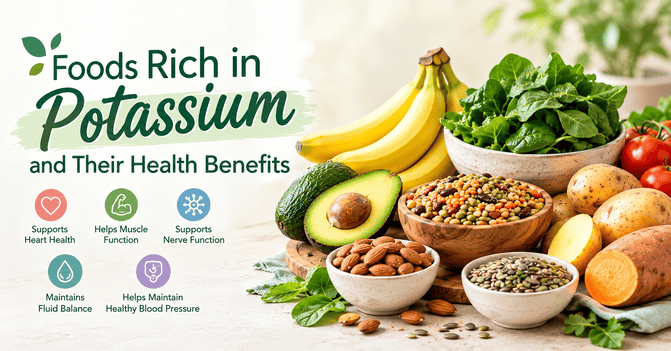
Table of Contents
ToggleFood Rich in Potassium: Top Foods, Health Benefits and Daily Diet Tips
Potassium is an essential mineral that helps your body maintain fluid balance, support normal muscle contractions, transmit nerve signals, and regulate blood pressure. Including potassium-rich foods in your daily diet is an important part of maintaining overall health.
Many people associate potassium only with bananas, but a wide variety of everyday foods contain this important nutrient. Potatoes, leafy green vegetables, lentils, beans, avocados, nuts, dairy products, and several other fruits and vegetables can also contribute to your daily potassium intake.
In this article, let’s explore the best foods rich in potassium, their nutritional benefits, easy ways to include them in your meals, and important precautions for people who need to monitor their potassium intake.
What Is Potassium?
Potassium is an essential mineral and electrolyte found in many foods. Electrolytes help regulate the movement of water and minerals in the body and support several important physiological processes.
Your body needs potassium to maintain normal cellular function, healthy nerve communication, muscle contraction, and a regular heartbeat. The kidneys also help regulate potassium levels by removing excess potassium through urine.
Unlike some nutrients that the body can produce, potassium must come from your diet.
Why Is Potassium Important for Your Health?
1. Supports Healthy Blood Pressure
Potassium plays an important role in maintaining healthy blood pressure. It helps counterbalance some of the effects of sodium and supports normal blood vessel function.
A diet that includes potassium-rich fruits, vegetables, beans, and other minimally processed foods may help support healthy blood pressure, particularly when combined with moderate sodium intake.
However, potassium-rich foods are not a replacement for prescribed blood pressure medication or medical care.
2. Helps Maintain Normal Muscle Function
Your muscles require potassium to contract and relax properly. Potassium also helps maintain the electrical signals involved in muscle movement.
An appropriate potassium intake supports normal muscle function during everyday activities, walking, exercise, and other physical movements.
Muscle cramps and weakness can have many causes, including dehydration, muscle fatigue, and other electrolyte disturbances. They should not automatically be attributed to low potassium.
3. Supports Heart Function
The heart depends on carefully regulated electrical signals to maintain a normal rhythm. Potassium is essential for these signals and helps support normal heart function.
Both low and excessively high potassium levels can interfere with the heart’s electrical activity. This is why potassium balance is important, rather than simply consuming as much potassium as possible.
4. Maintains Fluid and Electrolyte Balance
Potassium works alongside sodium and other electrolytes to regulate fluid distribution inside and outside cells.
This balance supports normal cellular activity, muscle function, and nerve communication.
Adequate fluid intake and a balanced diet help support this process, although individual hydration needs vary.
5. Supports Nerve Function
Nerves use electrical signals to communicate with the brain, spinal cord, muscles, and other tissues.
Potassium contributes to the electrical gradients that allow nerve cells to function normally. Along with sodium and other electrolytes, it helps maintain the processes involved in nerve transmission.
6. Contributes to Bone Health
A balanced diet containing potassium-rich fruits and vegetables may be associated with better overall bone health. Potassium salts from foods may also influence the body’s acid-base balance.
However, healthy bones require several nutrients and lifestyle factors, including calcium, vitamin D, adequate protein, and regular weight-bearing activity. Potassium alone cannot prevent or treat osteoporosis.
Top 10 Foods Rich in Potassium
Here are some excellent food choices to help increase your potassium intake.
1. Bananas
Bananas are one of the most convenient potassium-rich fruits. They are easy to carry, require little preparation, and provide carbohydrates for energy.
One medium banana contains approximately 422 mg of potassium.
How to eat bananas:
-
Add sliced banana to oatmeal or porridge.
-
Combine banana with plain yogurt.
-
Eat a banana as a convenient snack.
-
Blend it into a smoothie without adding extra sugar.
Bananas are nutritious, but they are not the only good source of potassium. A varied diet provides a wider range of nutrients.
2. Avocados
Avocados contain potassium, dietary fiber, and unsaturated fats. Their creamy texture makes them a useful addition to balanced meals.
Approximately half a medium avocado may provide around 350–500 mg of potassium, depending on its size and edible portion.
How to include avocados:
-
Add avocado slices to whole-grain toast.
-
Include them in salads.
-
Mash avocado with lemon juice and herbs.
-
Use avocado as part of a balanced sandwich.
Avocados can be energy-dense, so portion sizes can be adjusted according to your individual nutritional needs.
3. Leafy Green Vegetables
Leafy greens such as spinach, amaranth leaves, Swiss chard, and other local green vegetables contribute potassium along with folate, fiber, and other essential nutrients.
Cooked spinach is particularly concentrated in potassium because cooking reduces its volume.
One-half cup of cooked spinach can provide approximately 400–600 mg of potassium, depending on the preparation.
Easy ways to eat leafy greens:
-
Prepare palak sabzi.
-
Add spinach to dal.
-
Include leafy greens in vegetable soups.
-
Prepare a mixed vegetable dish with seasonal greens.
Different greens have different nutrient profiles, so rotating your vegetables is a useful habit.
4. Beans and Lentils
Lentils and beans are excellent plant-based sources of potassium. They also provide protein, dietary fiber, and other minerals.
One cup of cooked lentils contains approximately 731 mg of potassium.
Kidney beans, chickpeas, black beans, and other legumes can also contribute meaningful amounts.
Indian meal ideas:
-
Moong dal with roti.
-
Masoor dal with rice.
-
Rajma with a moderate portion of rice.
-
Chana masala with whole-wheat roti.
-
Mixed lentil soup.
These foods are especially useful because they provide several nutrients in one affordable meal.
5. Potatoes
Potatoes contain potassium as well as carbohydrates and vitamin C. Their potassium content varies according to the variety, size, and cooking method.
A medium baked potato with its skin can contain approximately 600–900 mg of potassium.
Healthier ways to prepare potatoes:
-
Bake or roast potatoes.
-
Boil them and add them to a mixed vegetable dish.
-
Prepare homemade potato chaat with limited salt.
-
Combine potatoes with other vegetables and a protein source.
The nutritional value of a potato-based meal depends on the overall preparation. Deep-frying and adding large quantities of salt can make a meal less suitable for some dietary goals.
6. Sweet Potatoes
Sweet potatoes provide potassium, carbohydrates, fiber, and beta-carotene, which the body can convert into vitamin A.
A medium sweet potato can provide approximately 500–700 mg of potassium, depending on its size and preparation.
Ways to include sweet potatoes:
-
Roast them as a snack.
-
Add boiled sweet potato to a vegetable bowl.
-
Prepare a lightly seasoned sweet potato chaat.
-
Serve them with dal, vegetables, or another protein-rich food.
Sweet potatoes can be part of a balanced diet for many people, including those managing their weight, when portions suit their overall energy requirements.
7. Tomatoes
Tomatoes provide potassium, vitamin C, and other beneficial plant compounds, including lycopene.
One medium tomato contains approximately 290 mg of potassium. Tomato puree and paste can provide more potassium per serving because they are more concentrated.
Easy ways to use tomatoes:
-
Add fresh tomatoes to salads.
-
Prepare homemade tomato soup.
-
Use tomatoes in dal and vegetable curries.
-
Add tomato puree to homemade sauces.
Choose products with less added sodium when buying packaged tomato sauces or canned products.
8. Dried Apricots and Other Dried Fruits
Dried apricots, raisins, and prunes provide potassium in concentrated portions because much of their water has been removed.
Half a cup of dried apricots can provide approximately 755 mg of potassium.
However, dried fruits are also more concentrated in natural sugars and calories than their fresh counterparts.
Practical serving ideas:
-
Add a small portion of dried apricots to porridge.
-
Combine a few raisins with unsalted nuts.
-
Add chopped dried fruit to plain yogurt.
-
Choose fresh fruit when you prefer a larger, more water-rich snack.
People with diabetes can include dried fruit when appropriate, but portion size and overall carbohydrate intake matter.
9. Milk and Yogurt
Milk and yogurt provide potassium along with protein and calcium. Depending on the product and serving size, they can contribute useful amounts of potassium to your daily diet.
One cup of milk may provide approximately 300–400 mg of potassium.
Ways to include dairy foods:
-
Have plain yogurt with lunch.
-
Add milk to oats or porridge.
-
Include curd with a balanced meal.
-
Use plain yogurt in homemade dips.
Unsweetened options are useful when you want to limit added sugar.
10. Nuts and Seeds
Nuts and seeds, including almonds, pumpkin seeds, and sunflower seeds, provide potassium in varying amounts. They also contain healthy fats, protein, fiber, and other minerals.
Their potassium contribution depends on the type and serving size, and they are generally more concentrated in calories than many fruits and vegetables.
Easy serving ideas:
-
Add a small handful of unsalted nuts to a snack.
-
Sprinkle seeds over yogurt or oatmeal.
-
Add pumpkin seeds to salads.
-
Include nuts as part of a balanced breakfast.
Choose unsalted varieties more often if you are trying to reduce sodium intake.
Potassium Content of Common Foods
The following figures are approximate and can vary with food variety, portion size, and cooking method.
| Food | Typical serving | Approx. potassium |
|---|---|---|
| Banana | 1 medium | 422 mg |
| Avocado | ½ fruit | 350–500 mg |
| Cooked lentils | 1 cup | 731 mg |
| Cooked spinach | ½ cup | 400–600 mg |
| Baked potato with skin | 1 medium | 600–900 mg |
| Sweet potato | 1 medium | 500–700 mg |
| Tomato | 1 medium | 290 mg |
| Dried apricots | ½ cup | 755 mg |
| Milk | 1 cup | 300–400 mg |
| Kidney beans | ½ cup | 350–400 mg |
These values are illustrative estimates, not exact measurements for every serving. The National Institutes of Health provides a detailed reference for potassium content in foods.
How Much Potassium Do You Need Daily?
Potassium requirements vary by age, sex, pregnancy or breastfeeding status, and individual health circumstances.
For healthy adults aged 19 and older, the US National Academies’ current adequate intake values are:
-
Men: 3,400 mg per day.
-
Women: 2,600 mg per day.
-
During pregnancy: 2,900 mg per day.
-
During breastfeeding: 2,800 mg per day.
These are US reference values and should not be treated as individualized prescriptions for every person. Requirements and dietary guidance can differ between countries and clinical situations.
The goal is to obtain potassium through a balanced eating pattern rather than relying on one food or taking supplements without professional guidance.
Tips to Get More Potassium From Your Diet
1. Eat a variety of fruits and vegetables. Different foods supply different combinations of potassium, fiber, vitamins, and other nutrients.
2. Include legumes regularly. Dal, chickpeas, and beans are affordable sources of potassium and plant protein.
3. Prefer minimally processed foods. Many packaged foods contain substantial sodium but relatively little potassium.
4. Use cooking methods thoughtfully. Boiling vegetables in water and discarding the water can cause some potassium to be lost. Steaming, roasting, or using the cooking liquid in soups and curries can help retain more.
5. Avoid relying on one so-called superfood. Bananas are useful, but a varied diet is a better way to obtain a range of essential nutrients.
6. Do not take potassium supplements automatically. More potassium is not always better, especially for people with kidney problems or those taking certain medications.
Can Potassium Help With Weight Management?
Potassium is not a fat-burning nutrient and does not directly cause weight loss.
However, many potassium-rich foods, including vegetables, fruits, and legumes, can contribute to a balanced eating pattern. Their fiber, water content, and overall nutritional value may help you build satisfying meals.
For weight management, focus on appropriate portions, adequate protein, regular physical activity, sleep, and a sustainable eating routine rather than increasing potassium intake for fat loss.
Potassium and Blood Sugar: What Should You Know?
Potassium is important for normal cellular and nerve function, but it is not a treatment for diabetes or high blood sugar.
People managing blood sugar can often include potassium-rich foods such as vegetables, lentils, beans, and whole fruits within an individualized meal plan.
The total carbohydrate content, portion size, preparation method, and combination of foods remain important. For example, potatoes and bananas can fit into many meal plans, but their portions should be considered in the context of the person’s overall dietary requirements.
Who Should Be Careful With High-Potassium Foods?
Although potassium is essential, some people need to monitor how much they consume.
People with chronic kidney disease, impaired potassium excretion, or certain other medical conditions may develop high potassium levels in the blood. Some medications, including certain blood-pressure medicines and potassium-sparing diuretics, can also increase potassium levels.
In these situations:
-
Follow your doctor’s or registered dietitian’s individualized advice.
-
Do not start potassium supplements without medical guidance.
-
Check before using potassium-based salt substitutes.
-
Do not dramatically increase or restrict potassium-rich foods without understanding your clinical requirements.
High blood potassium can be serious and may not cause obvious symptoms at first. People at risk may need blood tests and individualized dietary advice.
Frequently Asked Questions
1. Which food is highest in potassium?
Several foods are particularly rich in potassium, including cooked leafy greens, lentils, dried apricots, potatoes, and certain beans. The highest source depends on the serving size and preparation method.
2. Is banana the only good source of potassium?
No. Lentils, beans, potatoes, spinach, avocados, dried fruits, milk, and many other foods provide potassium. Eating a variety of foods is more beneficial than relying on bananas alone.
3. Does potassium help control blood pressure?
Potassium supports normal blood pressure regulation and helps balance some effects of sodium. A balanced diet containing potassium-rich foods may support healthy blood pressure, but it does not replace prescribed treatment.
4. Can potassium prevent muscle cramps?
Adequate potassium is necessary for normal muscle function, but cramps have many possible causes. Eating more potassium will not necessarily prevent them, and persistent or severe cramps may require medical assessment.
5. Are potassium-rich foods good for everyone?
Many potassium-rich foods are nutritious choices for healthy people. However, people with kidney disease or conditions and medications that affect potassium balance may need individualized limits.
6. Can I get enough potassium from food?
Many people can obtain potassium through a varied diet containing fruits, vegetables, legumes, and other nutrient-rich foods. Whether your intake is adequate depends on your eating pattern and individual health needs.
Conclusion
Potassium is an essential mineral that supports normal heart function, muscle contractions, nerve signals, fluid balance, and blood pressure regulation.
Including foods such as bananas, avocados, leafy green vegetables, lentils, beans, potatoes, tomatoes, dried apricots, milk, and nuts can help you build a more nutrient-rich diet.
The best approach is to eat a variety of foods, prepare meals thoughtfully, and adjust your diet to your personal health needs. If you have kidney disease or take medication that affects potassium levels, seek individualized advice before making major dietary changes.
Healthy eating is about balance, variety, and consistency—not relying on one nutrient or one food.
This article is for general educational purposes and does not replace individualized medical or nutrition advice.