- Best Dietician & Nutritionist in Ahmedabad | Reshape Slimming Wellness & Diet Center
- +91-72848 25055
- reshapeslimming.diet@gmail.com

The Power of Ginger: Health Benefits, Uses, and Nutritional Value
July 26, 2025The Ultimate Guide to Tomato Soup: Nutrition, Benefits, and Recipe Ideas
August 20, 2025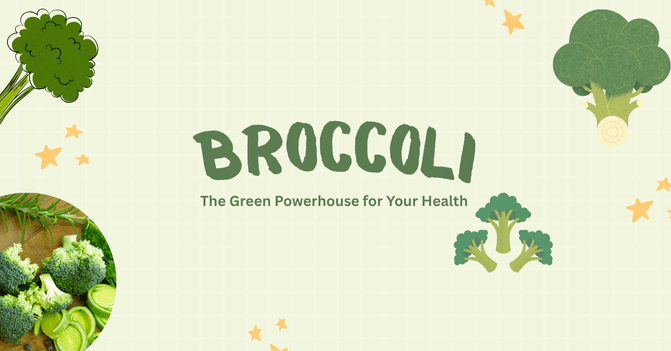
Broccoli, a vibrant green vegetable from the cruciferous family, is often dubbed a “superfood” — and for good reason. Packed with essential nutrients, antioxidants, and compounds that fight disease, broccoli offers a long list of health benefits that extend from your immune system to your gut and even to chronic disease prevention. Whether you prefer it steamed, stir-fried, roasted, or blended into soups and smoothies, broccoli deserves a regular spot in your diet.
Nutritional Profile of Broccoli
Broccoli is low in calories yet dense in vital nutrients, making it an ideal choice for people aiming to eat healthily. A one-cup serving (approximately 91 grams) of raw broccoli contains:
Calories: 31
Protein: 2.5 grams
Fiber: 2.4 grams
Vitamin C: 89 mg (99% of daily value)
Vitamin K: 101 mcg (112% of daily value)
Folate: 57 mcg
Calcium: 43 mg
Potassium: 288 mg
It’s also rich in beta-carotene, iron, magnesium, and trace amounts of selenium and zinc.
Health Benefits of Broccoli
1. Rich in Antioxidants
Broccoli contains powerful antioxidants such as sulforaphane, lutein, and zeaxanthin. These compounds help neutralize free radicals, reducing oxidative stress and lowering your risk of chronic diseases such as heart disease and cancer.
Sulforaphane, in particular, is a standout. It’s a sulfur-rich compound found in cruciferous vegetables and has been studied for its anti-inflammatory and anti-cancer properties.
2. Supports Heart Health
The fiber, antioxidants, and anti-inflammatory properties of broccoli make it an excellent heart-healthy food. Studies show that broccoli consumption may help:
Lower LDL (bad) cholesterol
Reduce high blood pressure
Improve blood vessel function
The potassium in broccoli also supports normal heart rhythm and blood pressure regulation.
3. Aids in Cancer Prevention
Broccoli’s sulforaphane has been linked to reduced cancer risk, particularly with breast, prostate, and colorectal cancers. This compound works by:
Boosting detoxification enzymes
Slowing tumor growth
Encouraging cancer cell death
Eating broccoli a few times a week — especially when lightly cooked or raw — may contribute to long-term cancer prevention.
4. Promotes Digestive Health
Broccoli is high in both fiber and glucosinolates, which support gut health in two key ways:
Insoluble fiber adds bulk to stool and prevents constipation.
Glucosinolates fuel healthy gut bacteria and help maintain a balanced microbiome.
A healthy gut contributes not only to digestion but also to immune function, mood regulation, and even weight management.
5. Strengthens the Immune System
With nearly 100% of your daily vitamin C in just one cup, broccoli is a top immunity booster. Vitamin C enhances:
White blood cell production
Antibody responses
Iron absorption
Along with other phytonutrients and minerals like zinc and selenium, broccoli helps the body fight infections and recover faster from illness.
6. Bone Health Booster
Broccoli is an underrated ally for bone health. It provides:
Calcium and vitamin K, essential for bone strength and blood clotting
Magnesium and phosphorus, which work together with calcium to maintain bone density
This makes broccoli a great addition to the diet of women, older adults, and anyone at risk of osteoporosis.
7. Supports Eye Health
Thanks to its high levels of lutein and zeaxanthin, broccoli helps protect your eyes from age-related issues like cataracts and macular degeneration. These carotenoids act as natural filters for harmful blue light and reduce inflammation in the retina.
Best Ways to Cook and Eat Broccoli
While broccoli is healthy in almost any form, how you cook it can affect its nutritional value. Here’s how to make the most of it:
 Best Methods
 Best Methods
Steaming: Retains the most nutrients, especially vitamin C and sulforaphane.
Roasting: Adds a smoky, nutty flavor; use minimal oil.
Stir-frying: Quick and nutrient-preserving, especially with garlic or ginger.
Blanching: Brief boiling followed by ice water stops overcooking and preserves texture.
Avoid
 Avoid
AvoidBoiling too long: Can leach water-soluble vitamins into the cooking water and reduce antioxidant content.
Tasty Ideas:
Add chopped broccoli to salads or pasta dishes.
Blend into soups with green peas and herbs.
Top with tahini or lemon garlic dressing.
Make broccoli-based smoothies with spinach and pineapple for added nutrition.
Tips for Buying and Storing Broccoli
Look for: Firm, tight florets that are dark green or slightly purple (a sign of high antioxidant content).
Avoid: Yellowing or limp stems.
Storage: Keep unwashed broccoli in the fridge in a breathable bag for up to 5–7 days.
Freezing: Blanch and freeze broccoli to use in soups, stews, or stir-fries later.
Fun Facts About Broccoli
Broccoli is actually a man-made vegetable, developed from wild cabbage through selective breeding.
The word “broccoli” comes from the Italian word broccolo, meaning “the flowering crest of a cabbage.”
Thomas Jefferson was one of the first Americans to grow broccoli, planting it in his garden in the late 1700s.
Who Should Eat More Broccoli?
Everyone! But especially:
Vegetarians: for plant-based calcium, iron, and protein
Pregnant women: for folate, which supports fetal development
People with diabetes: for fiber and blood sugar regulation
Elderly adults: for bone, eye, and immune support
Conclusion
Broccoli may be humble in appearance, but it’s one of the most nutritionally powerful foods you can include in your diet. From cancer prevention and immune support to gut health and glowing skin, broccoli offers wide-ranging health benefits — all in a low-calorie, easy-to-cook package. By making broccoli a regular part of your meals, you’re giving your body a daily dose of protective nutrients that can pay dividends in long-term health.
So next time you plan your meals, don’t forget to include this mighty green vegetable. Your body will thank you!