- Best Dietitian & Nutritionist in Ahmedabad | Reshapee Slimming Wellness Diet
- +91-72848 25055
- reshapeslimming.diet@gmail.com

Why crash diets don’t work
October 5, 2026
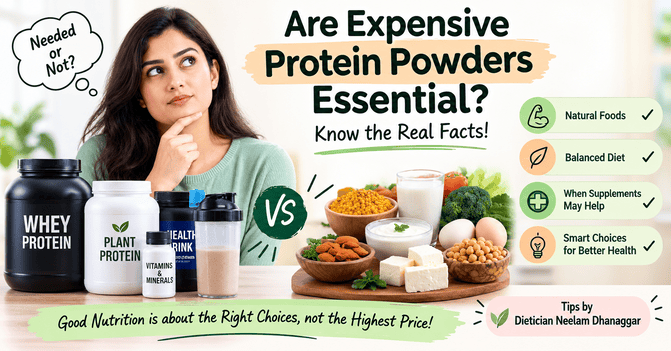
Are Expensive Protein Powders and Health Supplements Essential for Good Health?
October 15, 2026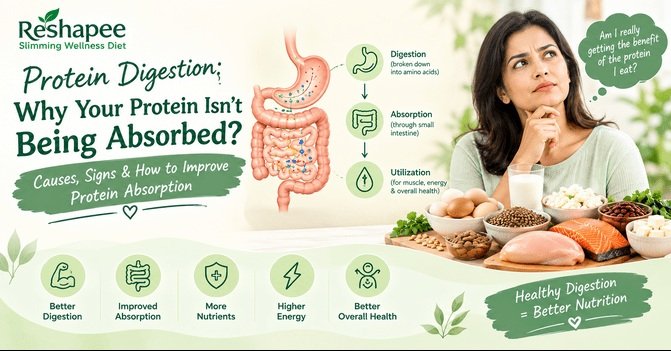
Table of Contents
ToggleProtein Digestion : Why Your Protein Isn’t Being Absorbed
Protein is one of the most important nutrients in your diet. It helps build and maintain muscles, supports tissues, contributes to enzymes and hormones, and plays an important role in many functions throughout the body.
You may be eating eggs, milk, paneer, dal, beans, soy, chicken, fish, or protein supplements regularly and still wonder:
“Why am I not getting the full benefit of the protein I eat?”
It is important to understand that protein digestion and absorption are not the same as simply eating protein.
Your digestive system breaks dietary protein into smaller peptides and amino acids. These products are then absorbed mainly through the small intestine and made available for use by the body.
In most healthy people, this process works efficiently. However, certain digestive conditions, inadequate food intake, food intolerance, problems involving the pancreas or small intestine, and some medical conditions can interfere with digestion or nutrient absorption.
Let’s understand how protein absorption works, what can interfere with it, and what you can do to support healthy protein digestion.
What Happens to Protein After You Eat It?
Protein does not enter your muscles directly after you eat a protein-rich meal.
It goes through several stages.
Step 1: Digestion begins
Protein digestion begins in the stomach, where stomach acid and enzymes start breaking proteins into smaller components.
Step 2: Digestion continues in the small intestine
Digestive enzymes produced by the pancreas and enzymes associated with the intestinal lining continue breaking proteins down into smaller peptides and amino acids.
Step 3: Absorption
These smaller components are transported across the intestinal lining and enter circulation.
Step 4: Your body uses the amino acids
Amino acids can then be used for processes such as tissue maintenance, protein synthesis, enzymes, hormones, and other metabolic functions.
Protein absorption primarily takes place in the small intestine.
So when someone says, “My protein isn’t being absorbed,” the real issue could involve protein intake, digestion, absorption, or another aspect of nutrition.
Does Your Body Really Fail to Absorb Protein?
For most healthy people, eating protein does not mean that the protein simply passes through the body unused.
Protein is extensively digested and its amino acids and small peptides are absorbed.
Actual protein malabsorption is more commonly associated with underlying digestive or intestinal disorders rather than a simple problem with eating protein.
For example, conditions affecting the pancreas or small intestine can interfere with digestion and nutrient absorption.
This distinction is important because taking more protein powder is not necessarily the solution if an underlying digestive disorder is present.
1. You May Simply Not Be Eating Enough Protein
Sometimes the problem is not absorption at all.
You may simply be consuming less protein than you think.
Common examples include:
-
Very small portions of protein-rich foods
-
Meals based mainly on rice, roti, poha, or other grains
-
Skipping breakfast
-
Eating very little at meals
-
Following a restrictive diet
-
Avoiding dairy, eggs, meat, or legumes without replacing them adequately
A diet can look “healthy” while still being relatively low in protein.
Instead of immediately assuming poor absorption, first look at your total daily protein intake.
2. Your Meals May Not Contain Enough Protein
Another common issue is the distribution of protein throughout the day.
For example:
Breakfast: Tea + biscuits
Lunch: Rice + small amount of dal
Snack: Tea
Dinner: Roti + vegetables
This may provide some protein, but the total amount may be lower than intended.
A more balanced pattern could include a meaningful protein source at several meals.
Examples include:
-
Eggs
-
Milk
-
Curd
-
Paneer
-
Tofu
-
Soy
-
Dal
-
Rajma
-
Chole
-
Fish
-
Chicken
-
Other protein-rich foods
The appropriate amount depends on your age, body size, activity level, health status, and goals.
3. Poor Digestion Can Affect Nutrient Availability
Protein must first be digested before most of its amino acids can be absorbed.
Problems affecting the digestive process can therefore interfere with nutrient utilization.
The pancreas plays an important role because it produces digestive enzymes needed to break down food.
For example, exocrine pancreatic insufficiency (EPI) occurs when the pancreas does not produce or deliver enough digestive enzymes, which can interfere with normal digestion and lead to malabsorption.
Possible symptoms of EPI include:
-
Bloating
-
Abdominal discomfort
-
Diarrhea
-
Excess gas
-
Loose or greasy stools
-
Weight loss
These symptoms require medical evaluation rather than simply adding more protein to the diet.
4. Small Intestinal Problems Can Affect Absorption
The small intestine is a major site of nutrient absorption.
Conditions that damage or interfere with the small intestine can cause malabsorption, meaning the body cannot absorb enough nutrients from food.
Examples can include:
-
Celiac disease
-
Short bowel syndrome
-
Other intestinal disorders
Malabsorption can affect protein and other nutrients.
People with significant malabsorption may experience symptoms such as:
-
Chronic diarrhea
-
Bloating
-
Gas
-
Loose or greasy stools
-
Unexplained weight loss
-
Fatigue
-
Poor weight gain in children
5. Celiac Disease Can Affect Nutrient Absorption
Celiac disease is an immune-mediated condition triggered by gluten in susceptible individuals.
It can damage the small intestine and may interfere with nutrient absorption.
Symptoms can include:
-
Bloating
-
Diarrhea
-
Gas
-
Abdominal pain
-
Nausea
-
Weight loss
-
Greasy or bulky stools
Some people can have celiac disease with relatively mild or non-classic symptoms.
If persistent digestive symptoms or unexplained nutrient deficiencies are present, medical evaluation is more appropriate than simply changing protein sources.
6. Chronic Diarrhea Can Reduce Nutrient Absorption
Frequent or persistent diarrhea can interfere with normal digestion and absorption.
NIDDK notes that malabsorption can occur with chronic diarrhea and can contribute to nutritional problems.
If you regularly experience:
-
Loose stools
-
Urgency
-
Bloating
-
Abdominal cramps
-
Unexplained weight loss
it is important to identify the underlying cause.
Simply taking protein powder may not address the problem.
7. You May Have a Food Intolerance
Food intolerance is different from protein malabsorption.
For example, someone with lactose intolerance may experience symptoms after consuming milk or other lactose-containing foods because their small intestine produces insufficient lactase to digest lactose properly.
Symptoms can include:
-
Gas
-
Diarrhea
-
Abdominal pain
-
Nausea
This does not necessarily mean that the protein in milk is not being absorbed.
The problem may instead be the digestion of lactose.
You may tolerate other protein sources such as:
-
Curd/yogurt
-
Paneer
-
Eggs
-
Tofu
-
Soy
-
Dal
-
Fish
-
Chicken
depending on your individual tolerance and dietary preferences.
8. You May Be Choosing a Protein Source That Doesn’t Suit You
Different people tolerate different foods differently.
For example, one person may digest milk comfortably while another experiences bloating.
Someone may tolerate dal well while another person experiences significant gas after large portions.
Instead of eliminating all protein-rich foods, identify which foods you tolerate well.
A varied diet can provide protein from several sources.
9. Plant and Animal Proteins Are Digested Differently
Protein quality and digestibility vary between foods.
Research examining amino-acid bioavailability indicates that proteins from different food sources can differ in digestibility and amino-acid availability.
Animal protein sources such as:
-
Eggs
-
Milk
-
Fish
-
Meat
are generally highly digestible.
Plant sources such as:
-
Lentils
-
Beans
-
Chickpeas
-
Soy
-
Nuts
-
Seeds
-
Grains
can also make valuable contributions to protein intake.
This does not mean that plant protein is “bad.”
People following vegetarian or vegan diets can meet protein requirements by consuming a varied combination of protein-rich foods.
10. Food Preparation Can Matter
Cooking and food processing can influence protein digestibility.
For example, properly cooking legumes can improve their digestibility and make them easier to eat in adequate quantities.
Practical options include:
-
Soaking beans and legumes appropriately
-
Cooking them thoroughly
-
Using fermented foods when suitable
-
Choosing textures and preparations that you tolerate well
However, food preparation should not be presented as a cure for medical malabsorption.
If an intestinal or pancreatic disorder is present, medical treatment may be necessary.
11. Eating Too Much Protein at Once Isn’t Necessarily Better
More protein does not automatically mean more muscle or better health.
Your body has complex mechanisms for digesting and using amino acids, and protein needs should be considered in the context of total energy intake and overall diet.
Instead of putting almost all your protein into one meal, many people find it practical to include protein-containing foods across several meals.
For example:
Breakfast
Eggs + milk/curd
Lunch
Dal + paneer/tofu + vegetables
Snack
Curd or another protein-rich snack
Dinner
Dal + vegetables + paneer/tofu/fish/chicken as appropriate
This can make it easier to meet your overall protein needs.
12. Don’t Blame Your Gut for Every Lack of Muscle Gain
If you are exercising and not seeing the results you expected, poor protein absorption is only one possible explanation—and often not the first one to assume.
Other factors include:
-
Total calorie intake
-
Total protein intake
-
Training quality
-
Exercise consistency
-
Recovery
-
Sleep
-
Stress
-
Age
-
Training experience
-
Medical conditions
-
Overall diet
Muscle development is a complex process.
If you are eating adequate protein but not gaining muscle as expected, reviewing your complete diet and training program may be more useful than assuming your body is not absorbing protein.
13. Signs That May Suggest a Digestion or Absorption Problem
You cannot diagnose protein malabsorption based on one symptom.
However, persistent combinations of digestive and nutritional symptoms deserve attention.
Possible warning signs include:
-
Unexplained weight loss
-
Chronic diarrhea
-
Recurrent bloating
-
Persistent abdominal discomfort
-
Greasy or foul-smelling stools
-
Poor weight gain
-
Persistent fatigue
-
Multiple nutrient deficiencies
-
Significant changes in bowel habits
Malabsorption can have many causes, so proper evaluation is important.
14. When Should You See a Doctor?
Consult a healthcare professional if you have persistent digestive symptoms, unexplained weight loss, chronic diarrhea, recurrent greasy stools, or suspected nutritional deficiencies.
Medical evaluation may include:
-
Medical history
-
Physical examination
-
Blood tests
-
Stool tests
-
Nutritional assessment
-
Tests for specific gastrointestinal conditions
For example, NIDDK notes that evaluation of certain malabsorptive conditions may involve blood tests, stool tests, and imaging or other specialized tests depending on the suspected cause.
The right tests depend on your symptoms and medical history.
15. How to Support Healthy Protein Digestion
If you do not have a diagnosed digestive disorder, several practical habits can support a healthy diet.
1. Include protein regularly
Add a protein source to your main meals.
2. Choose foods you tolerate well
You do not need to force yourself to eat foods that consistently cause digestive discomfort.
3. Eat a varied diet
Combine different protein sources rather than depending entirely on one food.
4. Cook legumes properly
Proper preparation can make beans and lentils easier to digest.
5. Eat slowly
Taking time to chew your food thoroughly can support the mechanical part of digestion.
6. Maintain adequate hydration
Adequate fluid intake supports normal digestive function, although drinking water itself does not “increase protein absorption.”
7. Don’t rely unnecessarily on supplements
Protein powders can be convenient, but they are not automatically better than whole-food protein sources.
8. Address persistent digestive symptoms
If symptoms continue, investigate the underlying cause rather than continuously changing protein powders or supplements.
Protein-Rich Indian Foods
You can get protein from many familiar foods.
Vegetarian options
-
Dal
-
Moong dal
-
Masoor dal
-
Toor dal
-
Chana
-
Rajma
-
Soybeans
-
Tofu
-
Paneer
-
Curd
-
Milk
-
Peas
-
Nuts and seeds
Non-vegetarian options
-
Eggs
-
Fish
-
Chicken
-
Lean meat
A combination of different foods can help provide a wider range of amino acids and other nutrients.
Example of a Balanced High-Protein Indian Day
The exact amount should be individualized, but a day could look like:
Breakfast
Vegetable omelette with whole-grain toast
OR
Moong chilla with curd
Mid-morning
Fruit + curd or another suitable protein-rich food
Lunch
Rice/roti + dal + vegetables + paneer/tofu or another protein source
Evening
Roasted chana, yogurt, or another suitable snack
Dinner
Roti/rice + vegetables + dal + paneer/tofu/egg/fish/chicken
This approach focuses on overall protein intake and meal balance, rather than relying on one supplement.
Protein Absorption: Common Myths
Myth 1: “If I don’t feel full after protein, I’m not absorbing it.”
False.
Feeling full is not a reliable indicator of protein absorption.
Myth 2: “Bloating after milk means my body can’t absorb protein.”
Not necessarily.
Bloating after milk may be related to lactose intolerance rather than failure to absorb milk protein.
Myth 3: “Protein powder is absorbed better than food.”
Not automatically.
Protein powders can be convenient, but whole foods can provide protein along with other nutrients.
Myth 4: “Eating more protein fixes poor absorption.”
Not if the underlying issue is a gastrointestinal disorder.
Medical malabsorption needs appropriate evaluation and treatment.
Myth 5: “Plant protein doesn’t get absorbed.”
This is an oversimplification.
Plant proteins can contribute substantially to protein intake. Their digestibility and amino-acid profiles differ among foods, which is one reason dietary variety is useful.
The Important Difference Between Digestion, Absorption and Utilization
These three terms are often mixed together.
Digestion
Breaking dietary protein into smaller components.
Absorption
Moving amino acids and small peptides from the intestine into the body.
Utilization
Using absorbed amino acids for processes such as tissue maintenance and protein synthesis.
Therefore, saying “my protein isn’t being absorbed” may actually mean:
-
“I’m not eating enough protein.”
-
“Protein-rich foods make me bloated.”
-
“I’m not gaining muscle.”
-
“I have digestive symptoms.”
-
“I have a nutrient deficiency.”
-
“My weight is changing unexpectedly.”
These are different problems and require different approaches.
Final Takeaway
For most healthy people, dietary protein is efficiently digested and absorbed.
If you are worried that your protein is not being absorbed, don’t immediately assume that you need more protein or a different protein powder.
First consider:
-
Are you eating enough total protein?
-
Are you getting protein at regular meals?
-
Are you tolerating your protein sources?
-
Do you have persistent digestive symptoms?
-
Are you experiencing unexplained weight loss?
-
Are you following a highly restrictive diet?
-
Could an underlying digestive or intestinal condition be involved?
Conditions affecting the pancreas or small intestine can cause genuine malabsorption and may require medical treatment.
A balanced diet, appropriate food choices, adequate overall nutrition, and attention to persistent digestive symptoms are more useful than simply increasing protein intake.
Your goal should not be to eat the maximum amount of protein possible. The goal is to consume an appropriate amount of high-quality protein that fits your individual nutritional needs and to address any underlying digestive problems when they occur.
Frequently Asked Questions
How do I know if my body is absorbing protein?
You generally cannot determine protein absorption from how you feel after one meal. Persistent diarrhea, greasy stools, unexplained weight loss, nutritional deficiencies, or other digestive symptoms may indicate malabsorption and should be evaluated by a healthcare professional.
Does bloating after eating protein mean I am not absorbing it?
Not necessarily. Bloating can have many causes, including food intolerance, fermentation of carbohydrates, eating habits, or gastrointestinal conditions. For example, lactose intolerance can cause bloating after dairy because of difficulty digesting lactose.
Is protein powder easier to absorb?
Not necessarily. Protein powders can be convenient and some are highly digestible, but they are not automatically necessary or superior to whole-food protein.
Can digestive problems cause protein malabsorption?
Yes. Certain disorders affecting the pancreas or small intestine can interfere with digestion or nutrient absorption.
Can vegetarians get enough protein?
Yes. A varied vegetarian diet can provide protein from foods such as dal, beans, soy, tofu, paneer, curd, milk, nuts, and seeds.
Should I take digestive enzymes with protein?
Do not routinely take digestive enzyme supplements simply because you eat protein. Specific enzyme replacement, such as pancreatic enzyme replacement therapy, is used for diagnosed conditions such as exocrine pancreatic insufficiency under medical supervision.
Can I improve protein absorption naturally?
If you are healthy, focus on adequate protein intake, varied food choices, appropriate food preparation, comfortable meal sizes, and overall digestive health. If you have symptoms suggesting malabsorption, identifying and treating the underlying cause is more important than relying on a supplement.