- Best Dietitian & Nutritionist in Ahmedabad | Reshapee Slimming Wellness Diet
- +91-72848 25055
- reshapeslimming.diet@gmail.com


Potassium Benefits: Heart, Muscle & Bone Health
October 28, 2026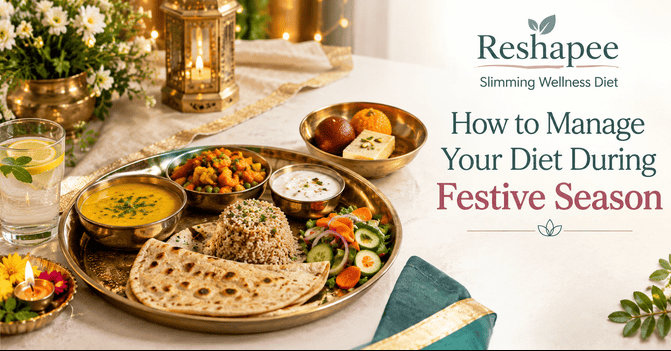
Table of Contents
ToggleHow to Manage Diet During the Festive Season Without Gaining Weight
The festive season is a time for happiness, family gatherings, celebrations, traditional foods, and delicious sweets. Whether you are celebrating Navratri, Dussehra, Diwali, weddings, or other special occasions, food plays an important role in bringing people together.
However, frequent parties, late-night dinners, sweets, fried snacks, and irregular meal timings can make it challenging to maintain a healthy diet. Many people worry about weight gain during festivals, while others struggle to manage their blood sugar, cholesterol, or digestive health.
The good news is that you do not need to give up your favourite festive foods to stay healthy. With a few smart food choices, portion control, regular physical activity, and mindful eating, you can enjoy celebrations while maintaining a balanced lifestyle.
In this article, we will discuss practical tips to manage your diet during the festive season without feeling deprived.
Why Is It Difficult to Maintain a Healthy Diet During Festive Season ?
During festivals, our usual eating routine often changes. We may attend multiple gatherings, eat outside more frequently, sleep late, or consume more sweets and snacks than usual.
Here are some common reasons why maintaining a healthy diet becomes difficult during the festive season.
1. Increased Consumption of Sweets
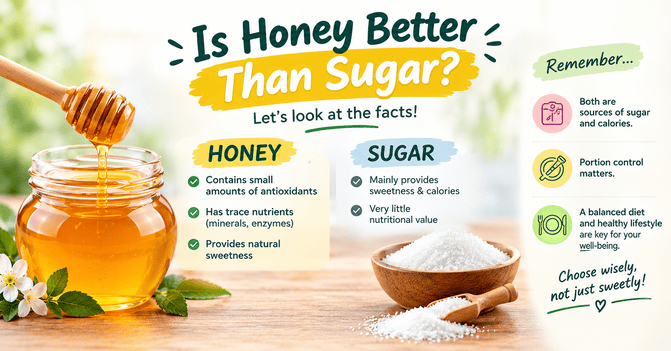
Indian festivals are incomplete without sweets such as ladoos, barfi, gulab jamun, jalebi, and kaju katli. These foods can contain significant amounts of sugar and calories, particularly when eaten in large portions.
2. Frequent Fried Snacks
Samosas, kachoris, pakoras, namkeen, and other fried snacks are popular festive treats. Eating them frequently can increase your overall calorie and fat intake.
3. Skipping Meals to Compensate for Festive Food
Some people skip breakfast or lunch because they plan to eat a large meal later. This can lead to excessive hunger and overeating at parties.
4. Reduced Physical Activity
Busy schedules, travel, social gatherings, and late-night celebrations can reduce the time available for walking or exercise.
5. Irregular Sleep Patterns
Late nights and inconsistent sleep may affect appetite regulation, energy levels, and your ability to follow regular eating habits.
Understanding these challenges can help you prepare a realistic plan instead of following restrictive diets.
12 Practical Tips to Manage Your Diet During Festive Season
1. Never Skip Meals to Save Calories
One of the most common festive diet mistakes is skipping meals before attending a party.
When you remain hungry for several hours, you may find it harder to control portions and make balanced food choices.
Instead, eat regular, balanced meals throughout the day.
For example:
-
Breakfast: Vegetable poha, besan chilla, or oats with nuts.
-
Lunch: Roti, dal, sabzi, curd, and salad.
-
Evening snack: Fruit, roasted chana, or a small handful of nuts.
-
Dinner: A balanced meal containing vegetables, protein, and an appropriate portion of carbohydrates.
If you have a festive dinner planned, eat a lighter but nutritious lunch rather than skipping it altogether.
2. Practise Portion Control With Festive Sweets
You do not need to completely avoid sweets during festivals. Instead, pay attention to the quantity and frequency.
Try these simple strategies:
-
Choose a small portion of your favourite sweet.
-
Eat slowly and enjoy every bite.
-
Avoid eating sweets automatically whenever they are offered.
-
Share a larger dessert with family or friends when appropriate.
-
Choose sweets you genuinely enjoy rather than sampling everything out of habit.
For example, if you love kaju katli, enjoy a piece mindfully instead of eating several sweets without noticing the quantity.
Remember: No single sweet determines your health or body weight. Your overall eating pattern matters more than one occasional treat.
3. Choose Healthier Festive Snacks
Festive snacks can be delicious without always being deep-fried.
Consider including these options alongside your favourite traditional foods:
| Instead of choosing only | Try including |
|---|---|
| Deep-fried samosas | Baked or air-fried snacks |
| Fried namkeen | Roasted chana or makhana |
| Creamy, heavy dips | Mint or coriander chutney |
| Sugary beverages | Unsweetened lemon water |
| Large portions of fried starters | Grilled paneer or vegetable tikka |
You do not have to eliminate traditional snacks. Simply balance them with lighter options and pay attention to portions.
4. Include Protein in Your Meals
Protein helps support muscle maintenance and can contribute to fullness when included as part of balanced meals.
During the festive season, try to include a protein source in your main meals.
Good vegetarian choices include:
-
Dal and legumes
-
Chickpeas and rajma
-
Paneer and tofu
-
Curd and milk
-
Soybeans and other soy products
-
Nuts and seeds, in suitable portions
For example, combine roti with dal and vegetables, or enjoy paneer tikka with a vegetable-based meal.
If you eat eggs, fish, or chicken, these can also be included according to your preferences and nutritional needs.
5. Fill Half Your Plate With Vegetables When Possible
Festive meals may contain several rich dishes but very few vegetables.
Adding vegetables helps increase fibre intake and makes meals more balanced.
A useful approach is to fill approximately half your plate with non-starchy vegetables, one-quarter with a protein-rich food, and one-quarter with grains or other carbohydrate-rich foods. This is a flexible guide, not a strict rule for every Indian meal.
Include foods such as:
-
Cucumber and carrot salad
-
Green vegetables
-
Beans and capsicum
-
Vegetable sabzi
-
Steamed or sautéed vegetables
If you are eating a traditional thali, aim for a practical balance rather than trying to follow exact proportions.
6. Stay Hydrated Throughout the Day
Sometimes thirst can be mistaken for hunger, and festive activities can make it easy to forget to drink water.
Keep water available during celebrations and drink regularly according to your needs, activity, and the weather.
Better everyday choices include:
-
Plain water
-
Unsweetened lemon water
-
Unsweetened herbal tea
-
Water-rich fruits such as watermelon, when in season
Limit frequent consumption of sugary drinks, packaged juices, and sweetened festive beverages.
People with medical conditions requiring fluid restrictions should follow their healthcare professional’s advice.
7. Be Mindful of Liquid Calories
Sweetened drinks can add considerable sugar and energy without making you feel as full as a balanced meal.
During festivals, you may be offered soft drinks, sweet lassi, packaged juices, sherbets, or sugar-rich beverages.
You can enjoy a favourite drink occasionally while making water or unsweetened beverages your usual choices.
If you have diabetes, be particularly mindful of drinks containing added sugar, as these can raise blood glucose quickly.
8. Keep Moving Even on Busy Days
Physical activity is important for overall health, especially when your routine changes during the festive season.
You do not need to perform intense workouts every day. Small amounts of movement can help you stay active.
Try these practical ideas:
-
Take a 10–15-minute walk after a meal when feasible.
-
Walk while shopping or running errands.
-
Dance during family celebrations.
-
Use stairs when appropriate.
-
Continue your usual exercise routine whenever possible.
Adults can gradually work toward the general recommendation of at least 150 minutes of moderate-intensity physical activity per week, along with muscle-strengthening activities on two or more days, as their health and fitness allow.
If you have a medical condition or exercise restrictions, adapt your activity accordingly.
9. Eat Slowly and Practise Mindful Eating
Festive gatherings can make us eat while talking, watching television, or moving between activities.
When you eat too quickly, it can be harder to recognise fullness.
To practise mindful eating:
-
Sit down whenever possible.
-
Chew your food comfortably and slowly.
-
Pay attention to taste, texture, and hunger.
-
Pause before taking another serving.
-
Stop when you feel comfortably satisfied rather than uncomfortably full.
Mindful eating allows you to enjoy festive food without feeling that you must either overeat or completely restrict yourself.
10. Manage Late-Night Eating
Late-night parties and family gatherings can disrupt your usual meal schedule.
Try to eat a balanced meal before you become excessively hungry. If you are hungry later, choose a suitable snack rather than automatically reaching for sweets or fried foods.
Options may include fruit, plain curd, milk, roasted chana, or a small portion of nuts, depending on your needs.
You do not need to avoid all food after a particular hour. Your overall dietary pattern, portion sizes, activity, and sleep routine are more important than an arbitrary cut-off time.
11. Get Enough Sleep
Festivals often involve shopping, travel, parties, and late-night celebrations. However, consistently inadequate sleep can affect appetite, energy, mood, and food choices.
Adults generally need at least seven hours of sleep per night, although individual requirements vary.
To support better sleep:
-
Maintain a reasonably consistent sleep schedule.
-
Avoid excessive caffeine late in the day.
-
Give yourself time to wind down after celebrations.
-
Avoid very heavy meals immediately before lying down if they cause discomfort.
You do not need a perfect routine every day, but returning to your normal sleep pattern can help.
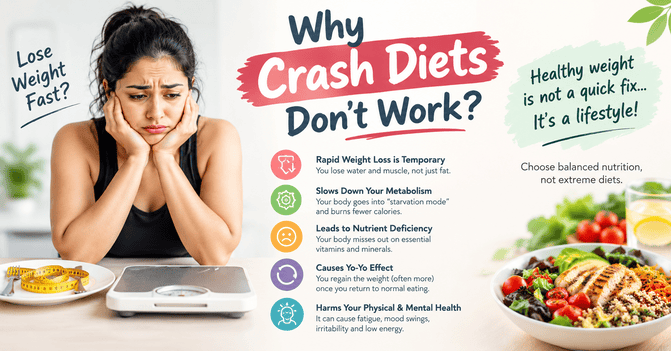
12. Avoid Crash Diets After Festivals
After several days of celebrations, you may notice a temporary increase in your weight. This does not necessarily mean you have gained the same amount of body fat.
Changes in carbohydrate intake, sodium consumption, hydration, and food volume can affect scale weight.
Avoid trying to compensate through starvation, detox drinks, laxatives, or excessively restrictive diets.
Instead:
-
Return to regular, balanced meals.
-
Drink water according to your needs.
-
Resume your usual physical activity.
-
Include vegetables, fruit, and protein-rich foods.
-
Give your routine time to settle.
Consistency is more helpful than punishment or extreme restriction.
How to Manage Your Diet During the Festive Season if You Have Diabetes
People with diabetes can enjoy celebrations, but planning ahead is important.
Here are some useful precautions:
-
Maintain regular meal timings: Avoid skipping meals to make room for sweets.
-
Watch carbohydrate portions: Sweets, rice, roti, potatoes, and sugary drinks can all contribute carbohydrates.
-
Choose balanced meals: Combine appropriate carbohydrate portions with protein-rich foods and vegetables.
-
Monitor blood glucose as advised: Follow your personalised monitoring plan, particularly when your meal routine changes.
-
Plan sweets carefully: If you choose to eat a sweet, consider the portion and how it fits into your meal plan.
-
Follow your medication schedule: Do not alter insulin or other diabetes medicines to accommodate festive meals without appropriate medical guidance.
There is no universally safe quantity of sweets for everyone with diabetes. Your glucose control, medicines, activity, and individual meal plan all matter.
Festive Diet Tips for People With PCOS, Thyroid Conditions, and High Cholesterol
People managing specific health conditions may need additional dietary considerations.
For PCOS
Prioritise balanced meals containing protein, fibre-rich carbohydrates, vegetables, and healthy fats. Regular activity and adequate sleep can also support overall metabolic health.
For Thyroid Conditions
Maintain regular meals and follow your prescribed medication instructions. If you take thyroid medication, ask your clinician or pharmacist about appropriate timing in relation to food, calcium, and iron supplements.
For High Cholesterol
Include more fibre-rich foods such as oats, legumes, vegetables, and fruit. Limit frequent intake of deep-fried foods, foods high in saturated fat, and products containing industrial trans fats.
For High Blood Pressure
Be mindful of salty snacks, packaged namkeen, pickles, and heavily salted foods. Choose lower-sodium options when possible.
If you have kidney disease, heart disease, or another condition requiring a specialised diet, follow your individual medical nutrition plan rather than general festive diet advice.
At the festive gathering
-
Start with a balanced plate.
-
Include vegetables and a protein-rich dish when available.
-
Choose a reasonable portion of your favourite festive snack.
-
Enjoy a small portion of your preferred sweet if you wish.
-
Drink water instead of routinely choosing sugary beverages.
After the gathering
-
If you are hungry, choose a suitable snack or meal according to your needs. Avoid forcing yourself to eat or deliberately starving yourself.
This is a flexible example, not a personalised calorie-controlled diet plan.
Common Festive Diet Mistakes You Should Avoid
Even people who follow a healthy routine throughout the year can make these mistakes during celebrations.
Mistake 1: Completely avoiding sweets
Strict food rules may make eating feel stressful. Moderate, mindful enjoyment can be more sustainable.
Mistake 2: Skipping breakfast or lunch
Excessive hunger can make it harder to manage portions later.
Mistake 3: Drinking detox water to burn fat
No special drink can cancel out overeating or selectively burn body fat. Water can support hydration, but sustainable weight management depends on your overall habits.
Mistake 4: Exercising excessively to compensate for food
Exercise supports health, but it should not be used as punishment for enjoying a meal.
Mistake 5: Following someone else’s diet plan
Your nutritional requirements may differ based on age, activity, medical conditions, medications, and personal goals.
Mistake 6: Giving up after one heavy meal
One meal does not ruin your progress. Simply return to your usual balanced routine at the next meal.
Can You Enjoy Festive Sweets and Still Lose Weight?
Yes, it can be possible to enjoy sweets occasionally while working toward weight loss.
Weight management depends on your overall energy balance over time, along with factors such as activity, sleep, medications, and individual health conditions.
You can support your goals by:
-
Choosing sensible portions.
-
Eating regular, balanced meals.
-
Including protein and fibre-rich foods.
-
Staying physically active.
-
Getting adequate sleep.
-
Following a sustainable eating pattern rather than a crash diet.
Remember that progress does not require perfection. A flexible, consistent approach is often easier to maintain than an extremely restrictive one.
Frequently Asked Questions (FAQs)
1. How can I avoid gaining weight during the festive season?
Maintain regular meals, practise portion awareness, include vegetables and protein-rich foods, stay active, and get enough sleep. Enjoy festive treats in moderation rather than relying on strict restrictions.
2. Can I eat sweets every day during festivals?
Whether daily sweets fit your eating pattern depends on portion size, your overall diet, and your health needs. Smaller portions eaten mindfully may fit for some people, while those managing diabetes or other medical conditions may need individualised advice.
3. Should I skip dinner if I eat too many sweets?
No. You generally do not need to skip a meal to compensate for sweets. Return to your regular eating pattern and choose a balanced meal according to your hunger and needs.
4. What should I eat before attending a festive party?
A balanced meal or snack containing protein and fibre can help you avoid arriving excessively hungry. Examples include dal with roti, curd with fruit, or roasted chana with vegetables.
5. How much walking should I do after a festive meal?
A comfortable 10–15-minute walk may be a practical starting point for many people. Even short walks can contribute to daily activity. Follow medical advice if you have mobility limitations or exercise restrictions.
6. How can people with diabetes enjoy Diwali sweets?
Plan portions, consider the carbohydrates in the whole meal, monitor blood glucose as advised, and follow your prescribed medication routine. Consult your dietitian or diabetes care team for advice tailored to your needs.
7. Is it normal for weight to increase after festivals?
A temporary increase can occur because of changes in fluid retention, carbohydrate intake, sodium intake, and digestive contents. A few days of scale changes do not necessarily reflect equivalent fat gain.
Conclusion
The festive season is meant to be enjoyed, not spent worrying about every bite of food. You can celebrate with your favourite sweets, snacks, and traditional meals while continuing to care for your health.
Focus on regular meals, portion awareness, hydration, physical activity, quality sleep, and a balanced approach to food. Avoid crash diets and unnecessary guilt, especially after a large meal.
The secret to festive-season diet management is balance, not deprivation. Small, consistent choices can help you enjoy celebrations while supporting your long-term health and weight-management goals.
If you need help managing your weight or planning meals around conditions such as diabetes, PCOS, thyroid disorders, or high cholesterol, consult a qualified dietitian for an individualised nutrition plan.