- Best Dietitian & Nutritionist in Ahmedabad | Reshapee Slimming Wellness Diet
- +91-72848 25055
- reshapeslimming.diet@gmail.com



Vitamin C Benefits, Natural Food Sources, Deficiency Symptoms and Daily Requirements
November 16, 20266 Signs of Poor Gut Health You Should Never Ignore
November 20, 2026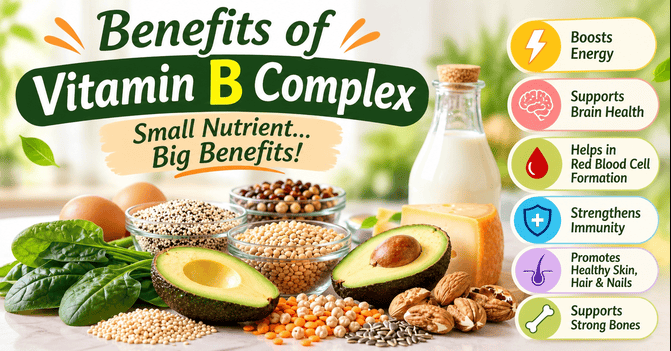
Table of Contents
ToggleBenefits of Vitamin B Complex: Why Your Body Needs All 8 B Vitamins
Have you ever wondered why you feel tired, experience low energy, or struggle with concentration despite eating regular meals? One nutritional factor worth understanding is the role of B vitamins in your body.
Vitamin B complex is a group of eight essential water-soluble vitamins that play important roles in energy metabolism, brain function, nerve health, red blood cell production, and cell growth.
These vitamins work together to support several important functions in the body. However, each B vitamin has its own specific role, and a deficiency of any one of them can affect your health.
The good news is that many B vitamins are available through everyday foods such as whole grains, pulses, nuts, seeds, dairy products, eggs, vegetables, and fruits.
In this article, let’s understand the benefits of Vitamin B complex, the functions of all eight B vitamins, their natural food sources, and how to maintain adequate intake through a balanced diet.
What Is Vitamin B Complex?
Vitamin B complex refers to a group of eight different B vitamins. They are water-soluble, which means they dissolve in water and are not generally stored in large amounts in the body.
These vitamins help your body perform several essential functions, including converting food into usable energy, supporting the nervous system, producing red blood cells, and maintaining healthy cells.
The eight B vitamins are:
-
Vitamin B1 – Thiamine
-
Vitamin B2 – Riboflavin
-
Vitamin B3 – Niacin
-
Vitamin B5 – Pantothenic Acid
-
Vitamin B6 – Pyridoxine
-
Vitamin B7 – Biotin
-
Vitamin B9 – Folate
-
Vitamin B12 – Cobalamin
Although they belong to the same vitamin family, each one has different functions and nutritional requirements.
10 Important Benefits of Vitamin B Complex
1. Helps Convert Food into Energy
One of the most important functions of B vitamins is their role in energy metabolism.
When you eat carbohydrates, proteins, and fats, your body breaks them down and converts them into energy. Several B vitamins act as coenzymes that help these metabolic processes work properly.
For example:
-
Vitamin B1 helps your body metabolise carbohydrates.
-
Vitamin B2 supports energy-producing reactions.
-
Vitamin B3 participates in cellular energy metabolism.
-
Vitamin B5 helps form coenzyme A, which is important for fat and carbohydrate metabolism.
-
Vitamin B6 helps metabolise proteins and carbohydrates.
Important: B vitamins do not directly provide calories or act as energy drinks. They help your body use the energy available in food. Taking extra B vitamins does not necessarily increase energy if you already have adequate levels.
2. Supports Brain Health and Nervous System Function
B vitamins are important for the normal functioning of your brain and nervous system.
Vitamin B1, B6, B9, and B12 have particularly important roles in nerve and brain health.
Their functions include:
-
Supporting normal nerve function.
-
Helping produce certain neurotransmitters.
-
Supporting DNA synthesis and cell development.
-
Maintaining healthy nerve cells.
-
Supporting normal cognitive function.
Vitamin B12 is especially important for maintaining the protective covering around nerves, known as the myelin sheath.
A deficiency of vitamin B12 can cause neurological symptoms such as tingling, numbness, balance problems, and memory difficulties.
3. Helps in Red Blood Cell Formation
Red blood cells carry oxygen from the lungs to different parts of your body.
Vitamin B9 (folate) and Vitamin B12 are particularly important for the formation of healthy red blood cells and DNA synthesis.
Vitamin B6 also contributes to haemoglobin production.
A deficiency of folate or vitamin B12 can cause megaloblastic anaemia, in which red blood cells become abnormally large and do not function normally.
Vitamin B12 deficiency can also cause neurological complications, sometimes even before anaemia becomes obvious.
4. Supports Healthy Skin, Hair, and Nails
Certain B vitamins contribute to normal skin and tissue health.
For example:
-
Vitamin B2 supports healthy skin and mucous membranes.
-
Vitamin B3 helps maintain normal skin function.
-
Vitamin B7 (biotin) is involved in the metabolism of fats, carbohydrates, and proteins.
-
Vitamin B6 supports several metabolic processes involved in maintaining healthy tissues.
Biotin is often promoted as a hair-growth supplement. However, there is limited evidence that additional biotin improves hair growth in people who do not have a deficiency.
A balanced diet containing adequate protein, iron, zinc, and essential vitamins is important for maintaining healthy hair, skin, and nails.
5. Supports Normal Homocysteine Metabolism
Homocysteine is an amino acid present in the blood.
Vitamin B6, Vitamin B9, and Vitamin B12 help the body metabolise homocysteine.
Low levels of these vitamins can contribute to elevated homocysteine levels.
Although these vitamins help regulate homocysteine, taking B-complex supplements has not consistently been shown to prevent heart attacks or other cardiovascular events in the general population.
6. Supports Immune System Function
Your immune system depends on several nutrients to function properly.
Vitamin B6 plays an important role in immune function and protein metabolism. Folate and vitamin B12 are also necessary for normal cell growth and division.
Adequate intake of these nutrients helps maintain normal immune system activity.
However, taking extra B-complex supplements does not automatically make your immunity stronger if your nutritional requirements are already being met.
7. Supports Healthy Pregnancy and Fetal Development
Vitamin B9, also known as folate, is particularly important before and during early pregnancy.
Folate is essential for DNA synthesis and normal cell division.
Adequate folic acid intake before conception and during early pregnancy helps reduce the risk of neural tube defects in the developing baby.
Women planning pregnancy are generally advised to take 400 micrograms of folic acid daily, starting before conception and continuing through the first 12 weeks of pregnancy, unless their healthcare professional recommends a different dose.
Vitamin B12 is also important during pregnancy because it supports normal neurological development and red blood cell formation.
8. Helps Maintain Normal Nerve Function
Several B vitamins work together to support the nervous system.
Vitamin B1 supports normal nerve function, while B6 is involved in neurotransmitter production. Vitamin B12 is essential for maintaining healthy nerve cells and myelin.
A prolonged deficiency of certain B vitamins can lead to nerve-related problems, including:
-
Tingling in the hands and feet.
-
Numbness.
-
Burning sensations.
-
Muscle weakness.
-
Difficulty maintaining balance.
Persistent symptoms should be medically evaluated rather than treated with supplements without a diagnosis.
9. Supports Cell Growth and DNA Production
Vitamin B9 and Vitamin B12 are especially important for DNA synthesis and normal cell division.
These functions are essential for the formation of new cells and the maintenance of tissues throughout the body.
This is particularly important during periods of rapid growth, such as pregnancy and childhood.
10. Supports Normal Metabolism of Nutrients
B vitamins help your body process the nutrients you consume.
They participate in metabolic reactions involving:
-
Carbohydrates.
-
Proteins.
-
Fats.
-
Amino acids.
This means B vitamins are important for the proper utilisation of nutrients from your everyday diet.
They do not directly burn body fat or cause weight loss, but they help maintain normal metabolic processes.
All 8 B Vitamins and Their Specific Functions
Let’s understand each B vitamin individually.
Vitamin B1 – Thiamine
Main functions:
-
Helps convert carbohydrates into energy.
-
Supports normal nerve function.
-
Helps maintain normal muscle and heart function.
Natural food sources:
-
Whole grains.
-
Brown rice.
-
Sunflower seeds.
-
Peanuts.
-
Pulses.
-
Beans.
-
Pork.
A severe deficiency of vitamin B1 can cause beriberi and neurological complications.
Vitamin B2 – Riboflavin
Main functions:
-
Supports energy metabolism.
-
Helps maintain healthy skin and eyes.
-
Supports normal cellular function.
Natural food sources:
-
Milk and curd.
-
Eggs.
-
Almonds.
-
Mushrooms.
-
Green leafy vegetables.
-
Fortified cereals.
Deficiency can cause cracks at the corners of the mouth, sore throat, and skin problems.
Vitamin B3 – Niacin
Main functions:
-
Helps convert food into energy.
-
Supports normal nervous system function.
-
Helps maintain healthy skin.
Natural food sources:
-
Peanuts.
-
Chicken.
-
Fish.
-
Whole grains.
-
Mushrooms.
-
Meat.
Severe niacin deficiency can cause pellagra, characterised by dermatitis, diarrhoea, and dementia.
Vitamin B5 – Pantothenic Acid
Main functions:
-
Helps produce coenzyme A.
-
Supports fat and carbohydrate metabolism.
-
Participates in the synthesis of certain hormones and other compounds.
Natural food sources:
-
Eggs.
-
Mushrooms.
-
Avocado.
-
Chicken.
-
Whole grains.
-
Legumes.
Vitamin B5 deficiency is uncommon because it is present in many different foods.
Vitamin B6 – Pyridoxine
Main functions:
-
Supports protein metabolism.
-
Helps produce neurotransmitters.
-
Supports haemoglobin production.
-
Contributes to normal immune function.
Natural food sources:
-
Bananas.
-
Potatoes.
-
Chickpeas.
-
Fish.
-
Poultry.
-
Nuts.
-
Whole grains.
Vitamin B6 deficiency can cause anaemia, skin changes, and neurological symptoms.
Vitamin B7 – Biotin
Main functions:
-
Helps metabolise fats, proteins, and carbohydrates.
-
Supports normal cellular function.
-
Participates in fatty acid synthesis.
Natural food sources:
-
Cooked eggs.
-
Nuts.
-
Seeds.
-
Salmon.
-
Sweet potatoes.
-
Legumes.
Biotin deficiency is uncommon. Taking extra biotin without a deficiency has not been proven to improve hair growth in most healthy individuals.
High-dose biotin supplements can also interfere with certain laboratory tests, including some thyroid and cardiac tests.
Vitamin B9 – Folate
Main functions:
-
Supports DNA synthesis.
-
Helps form healthy red blood cells.
-
Supports normal cell division.
-
Plays an important role in fetal development.
Natural food sources:
-
Spinach.
-
Amaranth leaves.
-
Green vegetables.
-
Lentils.
-
Chickpeas.
-
Beans.
-
Citrus fruits.
Folate is particularly important for women planning pregnancy.
Vitamin B12 – Cobalamin
Main functions:
-
Supports healthy nerve cells.
-
Helps produce red blood cells.
-
Supports DNA synthesis.
-
Participates in normal energy metabolism.
Natural food sources:
-
Milk.
-
Curd.
-
Paneer.
-
Eggs.
-
Fish.
-
Chicken.
-
Meat.
-
Vitamin B12-fortified foods.
Vitamin B12 is naturally found mainly in animal-derived foods. People following a vegan diet need a reliable source from fortified foods or supplements.
Best Natural Food Sources of Vitamin B Complex
You do not need expensive supplements to obtain many B vitamins. A balanced diet containing a variety of foods can provide several B vitamins.
Here are some useful food choices:
| Food | B vitamins it can provide |
|---|---|
| Whole grains | B1, B3, B5, B6 |
| Milk and curd | B2, B5, B12 |
| Eggs | B2, B5, B7, B12 |
| Chickpeas and lentils | B1, B6, B9 |
| Green leafy vegetables | B2, B9 |
| Nuts and seeds | B1, B2, B3, B6 |
| Bananas | B6 |
| Fish | B3, B6, B12 |
| Chicken | B3, B6, B12 |
| Fortified cereals | Varies according to fortification |
Food composition varies by variety, preparation, and fortification.
Who Is at Risk of Vitamin B Complex Deficiency?
Although B vitamins are available in many foods, certain people may have a higher risk of deficiency.
These include:
1. Vegetarians and vegans: People who avoid animal-derived foods may be at risk of vitamin B12 deficiency if they do not consume reliable fortified sources or supplements.
2. Older adults: Some older people have difficulty absorbing vitamin B12 from food because of changes in stomach function.
3. People with digestive disorders: Conditions affecting the stomach or small intestine can interfere with the absorption of certain B vitamins.
4. People following restrictive diets: Very limited food choices may increase the risk of inadequate vitamin intake.
5. Pregnant and breastfeeding women: Nutritional requirements change during these life stages, particularly for folate and other essential nutrients.
6. People taking certain medications: Some medicines, including metformin and certain acid-reducing medications, can affect vitamin B12 status over time.
Common Symptoms of Vitamin B Deficiency
The symptoms depend on which B vitamin is deficient and how severe the deficiency is.
Some possible warning signs include:
-
Persistent tiredness and weakness.
-
Pale skin.
-
Mouth ulcers or cracks at the corners of the mouth.
-
Tingling or numbness in hands and feet.
-
Sore tongue.
-
Poor appetite.
-
Difficulty concentrating.
-
Skin changes.
-
Anaemia.
-
Balance or nerve-related problems.
These symptoms can have many causes and do not confirm a B-vitamin deficiency.
If you experience persistent fatigue, weakness, numbness, or other unexplained symptoms, consult a healthcare professional. Blood tests may be recommended to identify the underlying cause.
Should You Take Vitamin B Complex Supplements?
Vitamin B-complex supplements contain a combination of several or all eight B vitamins.
They may be useful in certain situations, such as:
-
A confirmed vitamin deficiency.
-
Inadequate dietary intake.
-
Certain digestive or absorption disorders.
-
Specific pregnancy-related nutritional requirements.
-
A vegan diet without sufficient dietary vitamin B12.
However, not everyone needs a B-complex supplement.
If your diet already provides adequate amounts of B vitamins, taking additional supplements may not provide extra benefits.
Can You Take Vitamin B Complex Every Day?
Whether daily supplementation is appropriate depends on the formulation, dosage, diet, and individual health requirements.
Avoid taking high-dose B-complex supplements without professional advice.
Excessive vitamin B6 intake over time can cause nerve damage. High doses of niacin can cause flushing and other side effects, and excessive folic acid can hide some signs of vitamin B12 deficiency.
Also check whether your multivitamin already contains B vitamins before adding another supplement.
Frequently Asked Questions About Vitamin B Complex
1. What is the main benefit of Vitamin B complex?
Vitamin B complex supports energy metabolism, nervous system function, red blood cell formation, DNA synthesis, and several other important body processes.
2. Does Vitamin B complex increase energy?
B vitamins help your body convert food into usable energy. However, supplements are unlikely to improve energy levels if you already have adequate B-vitamin levels.
3. Which Vitamin B is good for hair growth?
Biotin (B7) is commonly associated with hair health. However, evidence for additional biotin improving hair growth in people without a deficiency is limited. Hair loss can also be related to iron deficiency, thyroid disorders, hormonal changes, and other conditions.
4. Which Vitamin B is important for the brain?
Vitamin B1, B6, B9, and B12 all contribute to normal nervous system or brain-related functions. Vitamin B12 is especially important for nerve health.
5. Which foods are rich in Vitamin B complex?
Whole grains, pulses, legumes, nuts, seeds, dairy products, eggs, fish, poultry, and green leafy vegetables provide different B vitamins.
6. Can vegetarians get enough Vitamin B complex?
Yes. Vegetarians can obtain many B vitamins through pulses, whole grains, dairy products, nuts, seeds, and vegetables. However, vitamin B12 requires particular attention because reliable natural sources are mainly animal-derived. Fortified foods or supplements may be necessary.
7. Is Vitamin B complex good for weight loss?
Vitamin B complex does not directly burn fat or cause weight loss. It supports normal energy metabolism, but weight management depends on overall diet, physical activity, sleep, and other factors.
Conclusion: Make Vitamin B-Rich Foods Part of Your Daily Diet
Vitamin B complex plays an important role in maintaining overall health. From energy metabolism and brain function to red blood cell production and healthy cell growth, all eight B vitamins contribute to essential body processes.
The best approach is to include a variety of nutrient-rich foods in your daily diet rather than depending unnecessarily on supplements.
Include whole grains, pulses, nuts, seeds, vegetables, fruits, dairy products, eggs, and other suitable protein sources according to your dietary preferences.
Remember, good nutrition is not about taking more supplements. It is about providing your body with the right nutrients in the right amounts.
Eat a balanced diet, understand your nutritional needs, and take supplements only when they are needed.
This article is for general educational purposes and does not replace individual medical or nutritional advice, contact dietitian for personal consultation .