Vitamin C Benefits: Foods, Deficiency Symptoms & Health Benefits
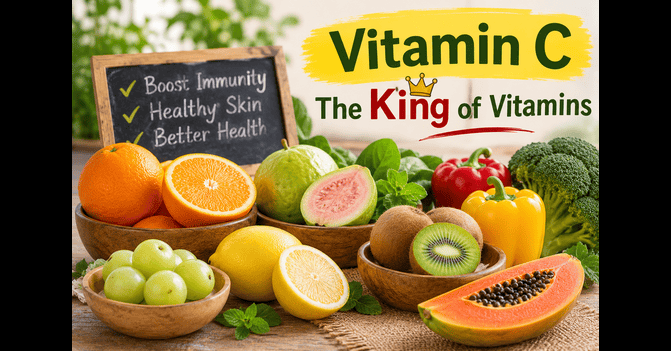
Vitamin C is one of the most important nutrients required by our body. Popularly known as the King of Vitamins, it plays an essential role in maintaining healthy skin, supporting immunity, improving iron absorption, protecting cells from oxidative damage and helping wounds heal.
But are you getting enough vitamin C through your daily diet?
Many people associate vitamin C only with oranges and immunity. However, its functions go far beyond that. From collagen production to healthy blood vessels and connective tissues, vitamin C is involved in several important processes that keep our body functioning properly.
In this article, we will explore the science-backed benefits of vitamin C, its natural food sources, deficiency symptoms, recommended daily intake and whether vitamin C supplements are necessary.
What Is Vitamin C?
Vitamin C, also known as ascorbic acid, is a water-soluble vitamin that our body needs for several essential functions.
Unlike some animals, humans cannot produce vitamin C naturally. Therefore, we must obtain it through our daily diet.
Vitamin C acts as an antioxidant and helps protect body cells from oxidative damage caused by free radicals.
It is also essential for:
-
Collagen production.
-
Healthy skin and connective tissues.
-
Normal immune system function.
-
Absorption of iron from plant-based foods.
-
Wound healing.
-
Maintaining healthy blood vessels, bones and cartilage.
Because of these important functions, vitamin C is considered an essential part of a balanced diet.
Why Is Vitamin C Called the King of Vitamins?
Vitamin C is popularly known as the King of Vitamins because it supports several important body functions.
Its antioxidant properties, role in collagen formation, contribution to immune function and ability to improve iron absorption make it particularly valuable for overall health.
However, it is important to understand that no single vitamin is more important than all the others. Every vitamin has its own unique function, and the body needs all essential vitamins in appropriate amounts.
Top 10 Health Benefits of Vitamin C
1. Supports a Healthy Immune System
One of the best-known benefits of vitamin C is its role in supporting immunity.
Vitamin C helps different immune cells function properly and supports the body’s natural defence mechanisms.
It also acts as an antioxidant, protecting cells from oxidative damage.
Adequate vitamin C intake is important for maintaining normal immune function.
Remember: Vitamin C does not guarantee protection against infections, but getting enough is important for a healthy immune system.
2. Helps Maintain Healthy and Glowing Skin
Vitamin C plays an important role in maintaining healthy skin.
It is required for the production of collagen, a structural protein that provides strength and support to the skin.
Collagen helps maintain:
Vitamin C also acts as an antioxidant and helps protect skin cells from oxidative damage caused by environmental factors.
Including vitamin C-rich foods in your diet can help support normal skin health.
3. Helps in Collagen Production
Collagen is one of the most abundant proteins in the human body.
It is present in:
-
Skin.
-
Bones.
-
Cartilage.
-
Tendons.
-
Ligaments.
-
Blood vessels.
Vitamin C is essential for the enzymes involved in collagen formation.
Without sufficient vitamin C, the body cannot produce and maintain collagen normally.
This is why adequate vitamin C intake is important for healthy skin, connective tissues and wound healing.
4. Improves Iron Absorption
This is one of the most important benefits of vitamin C, especially for people following vegetarian diets.
Iron is present in two main dietary forms:
-
Heme iron: Found mainly in meat, poultry and seafood.
-
Non-heme iron: Found in plant foods such as lentils, beans, spinach and other vegetables.
Vitamin C improves the absorption of non-heme iron from plant-based foods.
For example, combining lemon juice with a bowl of dal, or eating guava with an iron-rich meal, can help improve iron absorption.
This is particularly useful for people who consume predominantly plant-based diets.
5. Acts as a Powerful Antioxidant
Our body naturally produces free radicals during normal metabolic activities.
Environmental factors such as air pollution, cigarette smoke and ultraviolet radiation can also increase oxidative stress.
Excessive oxidative stress can damage cells.
Vitamin C acts as an antioxidant and helps protect cells from oxidative damage.
It also helps regenerate other antioxidants, including vitamin E.
6. Supports Wound Healing
Whenever our skin gets injured, the body begins a repair process.
Collagen plays an important role in this process, and vitamin C is essential for collagen formation.
Adequate vitamin C intake supports normal tissue repair and wound healing.
People with severe vitamin C deficiency may experience delayed wound healing.
7. Supports Healthy Bones and Cartilage
Vitamin C is involved in collagen formation, which is an important component of bones and cartilage.
It helps maintain the connective tissue framework that supports the body’s skeletal system.
Therefore, adequate vitamin C intake contributes to normal bone and cartilage health.
8. Helps Maintain Healthy Blood Vessels
Collagen is an important structural component of blood vessel walls.
Since vitamin C is required for collagen synthesis, it contributes to maintaining healthy blood vessels and connective tissues.
Adequate intake is therefore important for normal vascular health.
9. Supports Healthy Gums and Teeth
Vitamin C is essential for maintaining healthy connective tissues, including those present in the gums.
A deficiency can cause swollen, bleeding gums and other oral health problems.
Eating vitamin C-rich fruits and vegetables regularly helps maintain normal gum health.
10. May Help Reduce the Duration of Common Cold
Vitamin C is often associated with preventing colds.
However, research shows that regular vitamin C supplementation does not significantly reduce the risk of catching a common cold in most people.
Some studies suggest that regular supplementation may slightly reduce the duration of a cold.
Taking vitamin C only after cold symptoms begin does not appear to provide the same benefit.
Therefore, maintaining adequate vitamin C intake is more important than taking high-dose supplements whenever you develop a cold.
Best Natural Food Sources of Vitamin C
The good news is that vitamin C is available in many commonly consumed fruits and vegetables.
You do not need expensive supplements to obtain vitamin C if your daily diet includes a variety of fresh produce.
Here are some excellent natural sources.
1. Amla (Indian Gooseberry)
Amla is one of the richest natural sources of vitamin C.
It also contains several beneficial plant compounds and antioxidants.
Benefits:
-
Provides vitamin C.
-
Supports normal immune function.
-
Helps meet daily antioxidant requirements.
-
Can be included in chutneys, salads and other preparations.
2. Guava
Guava is another excellent source of vitamin C.
In fact, guava can provide more vitamin C than many commonly consumed citrus fruits.
You can enjoy fresh guava as a mid-morning or evening snack.
3. Oranges
Oranges are among the most popular sources of vitamin C.
They provide vitamin C along with water, fibre and other beneficial plant compounds.
Eating whole oranges is generally preferable to drinking filtered juice because whole fruit retains its dietary fibre.
4. Lemon
Lemon contains vitamin C and can easily be included in everyday meals.
You can add fresh lemon juice to:
-
Dal.
-
Salads.
-
Sprouts.
-
Vegetable dishes.
-
Chana and other legumes.
Adding lemon juice to plant-based iron-rich foods is a particularly useful dietary combination.
5. Kiwi
Kiwi is a nutrient-rich fruit containing vitamin C, fibre and other antioxidants.
It is an excellent addition to a balanced fruit platter.
6. Papaya
Papaya provides vitamin C along with vitamin A precursors, fibre and other beneficial nutrients.
It can be consumed as a breakfast fruit or an evening snack.
7. Capsicum
Red and green capsicum are excellent vegetable sources of vitamin C.
They can be included in salads, sandwiches, vegetable dishes and stir-fries.
8. Strawberries
Strawberries provide vitamin C and antioxidant plant compounds.
They can be enjoyed fresh or added to fruit bowls.
9. Broccoli
Broccoli is a nutritious vegetable containing vitamin C, fibre and several other micronutrients.
Light steaming is a good way to prepare it while limiting nutrient losses.
10. Tomatoes
Tomatoes provide vitamin C along with other beneficial plant compounds, including lycopene.
They can easily be included in daily Indian meals.
Vitamin C-Rich Foods: Quick Comparison
| Food |
Vitamin C contribution |
| Amla |
Very high |
| Guava |
Very high |
| Kiwi |
High |
| Capsicum |
High |
| Orange |
Good |
| Papaya |
Good |
| Strawberries |
Good |
| Broccoli |
Good |
| Lemon |
Good |
| Tomato |
Moderate |
The actual vitamin C content varies according to variety, size, ripeness, freshness and preparation.
Symptoms of Vitamin C Deficiency
Vitamin C deficiency can affect several body functions.
Severe deficiency can lead to a condition called scurvy.
Common signs and symptoms include:
-
Bleeding or swollen gums.
-
Frequent bruising.
-
Poor wound healing.
-
Dry and rough skin.
-
Fatigue and weakness.
-
Joint and muscle pain.
-
Small red or purple spots on the skin.
-
Loose teeth in severe cases.
Vitamin C deficiency develops when dietary intake remains insufficient over an extended period.
People who eat very few fruits and vegetables may be at greater risk.
If you experience persistent symptoms, consult a healthcare professional rather than assuming that vitamin C deficiency is the cause.
How Much Vitamin C Do We Need Every Day?
The amount of vitamin C required depends on age, sex and life stage.
According to the ICMR-NIN 2020 recommendations for Indian adults:
| Category |
Daily requirement |
| Adult men |
80 mg |
| Adult women |
65 mg |
Pregnancy and breastfeeding increase nutritional requirements.
Individual requirements may also vary depending on health conditions and dietary circumstances.
The best approach is to obtain vitamin C regularly through a varied and balanced diet.
How to Improve Vitamin C Absorption and Retention?
Vitamin C is water-soluble and sensitive to heat.
Prolonged cooking, excessive washing, storage and exposure to air can reduce its content in food.
Here are some practical tips:
1. Prefer fresh fruits
Eat fruits such as amla, guava, oranges and papaya regularly.
2. Avoid overcooking vegetables
Long cooking times can reduce vitamin C content.
3. Choose steaming or quick cooking
Light steaming and quick stir-frying can help limit nutrient losses compared with prolonged boiling.
4. Cut fruits just before eating
Avoid cutting fruits and leaving them exposed for long periods.
5. Add lemon juice to meals
Fresh lemon juice can add vitamin C to your daily meals and improve non-heme iron absorption.
6. Include colourful fruits and vegetables
Eating a variety of fruits and vegetables helps provide vitamin C along with other essential nutrients.
Does Vitamin C Help in Weight Loss?
Vitamin C is important for normal body metabolism, but it is not a fat-burning vitamin.
There is no strong evidence that taking vitamin C supplements alone leads to significant weight loss.
However, vitamin C-rich foods such as guava, oranges, papaya and vegetables can be part of a healthy weight-management diet.
These foods provide:
They can help improve overall dietary quality and replace less nutritious snack options.
For sustainable weight loss, focus on balanced meals, appropriate calorie intake, regular physical activity and adequate sleep.
Are Vitamin C Supplements Necessary?
Most healthy individuals can obtain sufficient vitamin C through their regular diet.
Supplements may be useful in certain situations, such as:
-
Confirmed vitamin C deficiency.
-
Very limited dietary intake.
-
Certain medical conditions affecting nutrient intake or absorption.
-
Increased nutritional requirements as assessed by a healthcare professional.
However, more vitamin C does not necessarily mean better health.
Taking high doses of supplements can cause:
-
Nausea.
-
Stomach cramps.
-
Diarrhoea.
-
Digestive discomfort.
High-dose supplementation may also be unsuitable for people with certain medical conditions, including iron overload disorders.
Adults should generally not exceed 2,000 mg per day from all sources according to the US National Institutes of Health upper intake limit, unless specifically advised by a healthcare professional.
Avoid taking high-dose vitamin C supplements without professional guidance.
Common Myths About Vitamin C
Myth 1: Orange is the richest source of vitamin C.
Fact: Amla and guava can provide considerably more vitamin C than oranges.
Myth 2: Vitamin C prevents every infection.
Fact: Vitamin C supports normal immune function, but it does not guarantee protection against infections.
Myth 3: Taking more vitamin C gives better skin.
Fact: Adequate vitamin C is important for collagen formation and skin health, but excessive supplementation does not automatically improve skin quality.
Myth 4: Vitamin C supplements are necessary every day.
Fact: Most healthy individuals can meet their requirements through a balanced diet.
Myth 5: Vitamin C is only important for immunity.
Fact: It also plays important roles in collagen production, wound healing, antioxidant protection and iron absorption.
Conclusion: Make Vitamin C a Part of Your Daily Diet
Vitamin C is an essential nutrient that supports many important functions in the human body.
From maintaining healthy skin and collagen production to supporting immunity, improving iron absorption and protecting cells from oxidative damage, its importance should not be overlooked.
Although it is popularly called the King of Vitamins, remember that every vitamin is essential for good health.
The best way to maintain adequate vitamin C levels is to include natural sources such as amla, guava, oranges, lemon, papaya, capsicum and broccoli in your regular diet.
Eat fresh, eat colourful and choose a balanced diet for better health!
Article by: Dietician Neelam Dhanaggar
Reshapee Slimming Wellness Diet