- Best Dietician & Nutritionist in Ahmedabad | Reshape Slimming Wellness & Diet Center
- +91-72848 25055
- [email protected]



Why Magnesium Is Essential for Your Body: Benefits, Sources & Deficiency Signs
May 18, 2026
How Junk Food Affects Digestion and Protein Absorption
May 27, 2026
7 Benefits of Zinc: Why This Essential Mineral Matters for Your Health
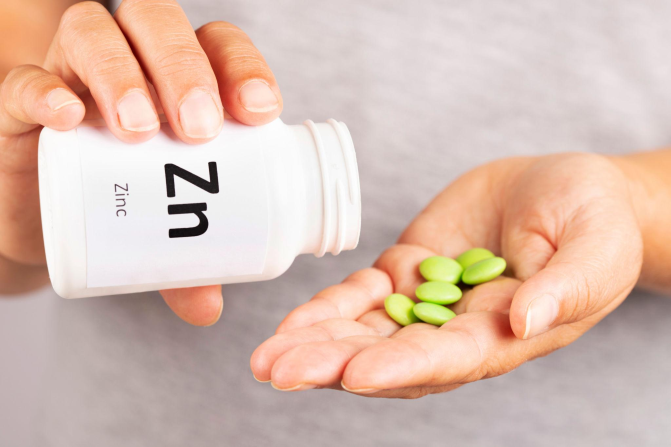
Zinc is a vital trace mineral that plays a powerful role in keeping your body healthy. Even though your body needs it in small amounts, its impact on immunity, metabolism, and overall wellness is significant. Since the body cannot store zinc, it’s important to get it regularly through diet.
1. Benefits of Zinc :- Boosts Immunity
Zinc is best known for its role in strengthening the immune system. It helps activate T-cells, which are essential for fighting infections and reducing the duration of illnesses like the common cold.
 Regular intake can help your body respond faster to infections.
2. Benefits of Zinc:- Supports Wound Healing
Zinc plays a crucial role in cell repair and regeneration. It helps in faster healing of wounds, cuts, and injuries by supporting collagen synthesis and reducing inflammation.
3. Benefits of Zinc:-Enhances Brain Function
Zinc contributes to proper brain function and mental clarity. It helps in neurotransmitter activity, improving memory, focus, and cognitive performance.
4. Benefits of Zinc:-Promotes Healthy Skin & Hair
Zinc helps control oil production, reduces acne, and supports skin repair. It also strengthens hair follicles, reducing hair fall and promoting healthy growth.
5. Benefits of Zinc:-Supports Heart Health
Zinc helps regulate cholesterol levels and reduces inflammation, which can lower the risk of heart disease. It also supports proper blood circulation.
6. Benefits of Zinc:-Aids in Weight Management
7. Benefits of Zinc :-Essential for Growth & Development
Zinc is especially important for children, adolescents, and pregnant women. It supports proper growth, immune development, and overall body functions.
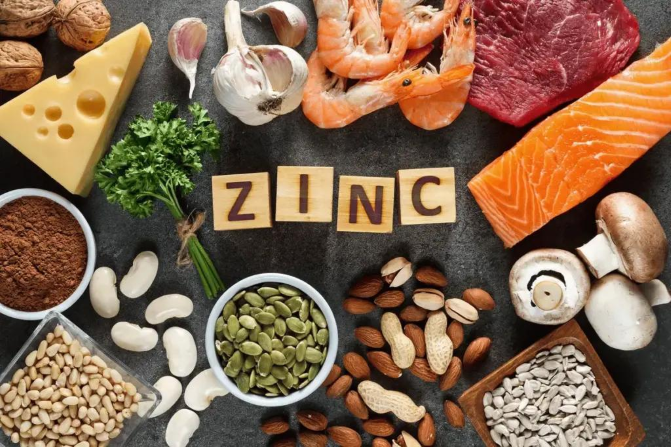
Best Vegetarian Sources of Zinc
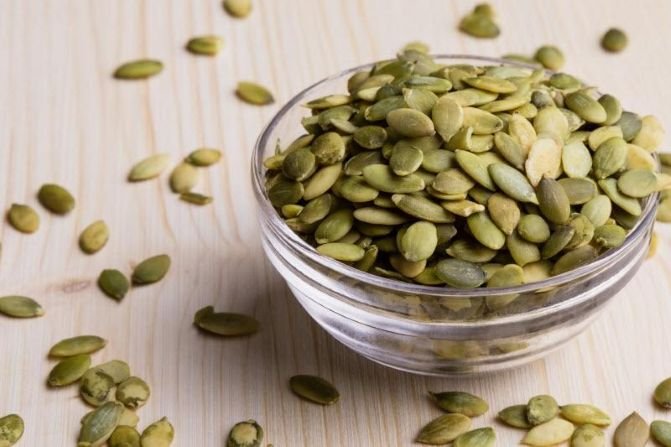
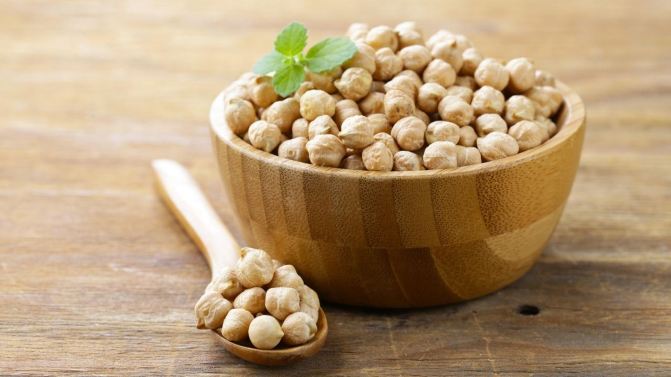
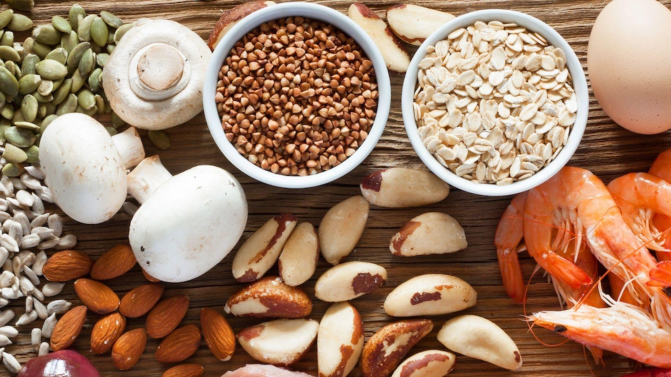
Include these zinc-rich foods in your daily diet:
- Pumpkin seeds
- Chickpeas (chana)
- Lentils (dal)
- Nuts (cashews, almonds)
- Whole grains
- Dairy products
 Tip: Soaking, sprouting, or fermenting foods improves zinc absorption.
Signs of Zinc Deficiency
- Frequent infections
- Hair loss
- Poor wound healing
- Loss of appetite
- Skin issues like acne
If you notice these symptoms, your zinc intake may be low.
Recommended Daily Intake
- Men: ~11 mg/day
- Women: ~8 mg/day
- Pregnant women: ~11–12 mg/day
 Final Thoughts
 Final Thoughts
Zinc is a small nutrient with big benefits. From boosting immunity to improving skin health and supporting metabolism, it plays a key role in overall wellness. Including a variety of zinc-rich foods in your diet can help you stay healthy and energized.