- Best Dietitian & Nutritionist in Ahmedabad | Reshapee Slimming Wellness Diet
- +91-72848 25055
- reshapeslimming.diet@gmail.com
Menopause Symptoms, Diet & Treatment: Complete Guide for Women
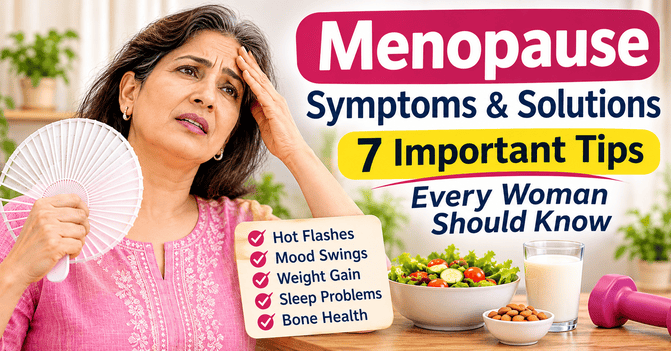
Menopause is a natural biological stage in every woman’s life. It marks the end of menstrual cycles and reproductive years. Usually occurring between the ages of 45 and 55, menopause is associated with significant hormonal changes that can affect a woman’s physical health, emotional well-being, metabolism, sleep, weight and bone strength.
Many women experience symptoms such as hot flashes, night sweats, mood swings, fatigue, disturbed sleep, vaginal dryness and unexplained weight gain. While menopause is a natural process and not a disease, the changes associated with it deserve proper attention.
The good news is that a balanced diet, regular physical activity, adequate sleep and appropriate medical care can help women manage this transition and maintain long-term health.
In this article, we will explore menopause symptoms, causes, nutritional requirements, foods to eat, foods to limit and practical ways to stay healthy during and after menopause.
What Is Menopause?
Menopause is the stage of life when a woman permanently stops menstruating because her ovaries gradually reduce the production of reproductive hormones, particularly estrogen and progesterone.
A woman is considered to have reached menopause when she has gone 12 consecutive months without a menstrual period, provided there is no other medical explanation.
Menopause is a natural process, not an illness. However, declining estrogen levels can influence several body systems, including:
-
Bone health
-
Heart health
-
Metabolism
-
Brain function and mood
-
Sleep patterns
-
Skin and hair
-
Vaginal and urinary health
At What Age Does Menopause Occur?
Menopause generally occurs between 45 and 55 years of age, although the timing varies from woman to woman.
There are three important stages:
Perimenopause: This is the transitional stage before menopause. Hormone levels fluctuate, periods may become irregular, and symptoms such as hot flashes and mood changes may begin.
Menopause: This is officially diagnosed after 12 consecutive months without menstruation.
Postmenopause: This refers to the years following menopause. Some symptoms may improve, but the risk of osteoporosis and cardiovascular disease becomes an important health consideration.
Menopause occurring before age 40 is called premature menopause, while menopause between 40 and 45 is considered early menopause. Both situations should be evaluated by a healthcare professional.
Every woman experiences menopause differently. Some have mild symptoms, while others experience symptoms that significantly affect daily life.
Here are 15 common symptoms:
1. Hot flashes: Sudden feelings of heat, especially around the face, neck and chest.
2. Night sweats: Excessive sweating during sleep that may disturb rest.
3. Irregular periods: Menstrual cycles may become shorter, longer, lighter or heavier during perimenopause.
4. Mood swings: Hormonal fluctuations may contribute to irritability, anxiety and emotional changes.
5. Sleep disturbances: Difficulty falling asleep or staying asleep.
6. Weight gain: Changes in body composition and metabolism may contribute to increased abdominal fat.
7. Fatigue: Persistent tiredness may occur due to poor sleep and hormonal changes.
8. Vaginal dryness: Reduced estrogen can cause dryness, irritation and discomfort.
9. Reduced sexual desire: Hormonal changes and sleep or mood disturbances may affect libido.
10. Joint and muscle discomfort: Some women experience increased aches and stiffness.
11. Hair thinning: Changes in hormones and ageing can affect hair growth.
12. Dry skin: Reduced estrogen may contribute to changes in skin moisture and elasticity.
13. Brain fog: Some women report difficulty concentrating or remembering things.
14. Frequent urinary problems: Urinary urgency and recurrent urinary tract infections may become more common.
15. Reduced bone density: Estrogen decline accelerates bone loss, increasing the risk of osteoporosis.
Not every symptom is necessarily caused by menopause. Persistent or severe symptoms should be medically assessed.
Why Does Weight Gain Occur During Menopause?
Weight gain is one of the most common concerns among women during menopause.
Several factors contribute to changes in body weight and fat distribution:
1. Declining estrogen levels
Lower estrogen is associated with a shift towards greater abdominal fat accumulation.
2. Reduced muscle mass
Muscle mass naturally declines with age. Since muscle uses energy, reduced muscle mass can lower daily energy expenditure.
3. Changes in metabolism
Ageing, changes in physical activity and alterations in body composition can make weight management more challenging.
4. Poor sleep
Night sweats and sleep disturbances may influence hunger hormones, appetite and food choices.
5. Reduced physical activity
Busy lifestyles, fatigue and joint discomfort may reduce daily movement.
What can help?
-
Include protein in every major meal.
-
Perform strength-training exercises regularly.
-
Eat adequate fibre.
-
Reduce sugary beverages and highly processed snacks.
-
Maintain consistent sleep habits.
-
Avoid crash diets and extreme calorie restriction.
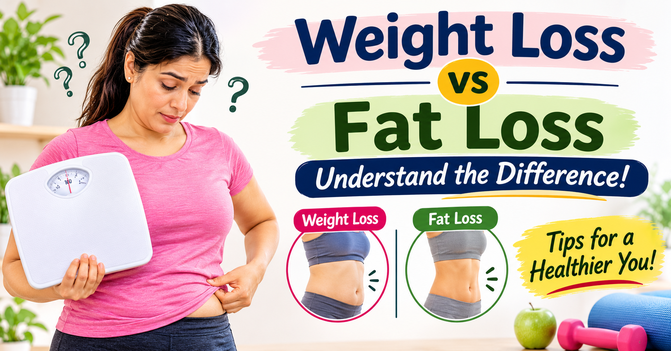
The goal should be healthy body composition rather than simply reducing the number on the weighing scale.
Best Diet for Menopause: What Should Women Eat?
Nutrition plays an important role in managing menopause-related changes and supporting long-term health.
A menopause-friendly diet should provide sufficient protein, calcium, vitamin D, fibre, healthy fats and other essential micronutrients.
A. Calcium-Rich Foods for Strong Bones
Estrogen decline accelerates bone loss, making calcium particularly important during and after menopause.
Good calcium sources include:
-
Milk and curd
-
Paneer
-
Ragi (finger millet)
-
Sesame seeds
-
Almonds
-
Calcium-set tofu
-
Fortified plant-based milk
-
Green leafy vegetables
Women aged 51 and older generally need around 1,200 mg of calcium daily from food and supplements combined.
B. Vitamin D for Calcium Absorption
Vitamin D helps the body absorb calcium and maintain bone health.
Natural and dietary sources include:
-
Sunlight exposure
-
Egg yolks
-
Fatty fish
-
Fortified milk
-
Fortified foods
Vitamin D deficiency is common and may require testing and supplementation under medical guidance.
C. Protein for Muscle Maintenance
Adequate protein helps preserve muscle mass, supports recovery and contributes to healthy ageing.
Include:
-
Dal and pulses
-
Chickpeas and kidney beans
-
Milk and curd
-
Paneer
-
Tofu and soybeans
-
Eggs
-
Fish and chicken
Protein requirements should be individualised according to body weight, activity level, overall health and kidney function.
D. Fibre for Gut and Metabolic Health
Fibre supports digestion, bowel regularity, gut health and blood sugar management.
Include:
-
Oats
-
Whole wheat
-
Fruits
-
Vegetables
-
Beans
-
Lentils
-
Chia seeds
-
Flaxseeds
Aim for approximately 25 grams of fibre daily, adjusting gradually according to digestive tolerance.
E. Healthy Fats for Overall Health
Healthy fats provide essential fatty acids and support cardiovascular health.
Include:
-
Walnuts
-
Almonds
-
Flaxseeds
-
Chia seeds
-
Pumpkin seeds
-
Olive oil
-
Mustard oil
-
Fatty fish
Omega-3-rich foods such as walnuts, flaxseeds and fatty fish can be part of a heart-healthy diet.
F. Phytoestrogen-Rich Foods
Phytoestrogens are naturally occurring plant compounds that can interact weakly with estrogen receptors.
Food sources include:
-
Soybeans
-
Tofu
-
Tempeh
-
Soy milk
-
Flaxseeds
-
Chickpeas
Some research suggests soy foods may provide modest relief from hot flashes in certain women, but results are mixed. They should not be considered a replacement for medical treatment.
7 Foods to Avoid or Limit During Menopause
There is no single food that every woman must completely avoid during menopause. However, certain foods and beverages may worsen symptoms in some women or make weight and blood sugar management more difficult.
1. Excessive sugar
Frequent consumption of sweets, sugary drinks, cakes and biscuits can increase calorie intake and make blood sugar management more difficult.
2. Refined carbohydrates
Limit excessive consumption of white bread, refined flour products, bakery foods and highly processed snacks. Choose whole grains more often.
3. Excessively fried foods
Deep-fried snacks and foods high in saturated or trans fats can negatively affect cardiovascular health.
4. Excessive caffeine
Coffee, strong tea and energy drinks may trigger hot flashes or disturb sleep in some women.
5. Alcohol
Alcohol can worsen night sweats and sleep disturbances in some women. Limiting or avoiding it is advisable.
6. Excessively spicy foods
Spicy foods may trigger hot flashes in some women. Identify individual triggers rather than unnecessarily eliminating all spices.
7. Highly processed foods
Packaged snacks, processed meats and foods high in sodium may contribute to poor overall dietary quality.
The most important approach is to follow a balanced eating pattern rather than restrictive dieting.
Lifestyle changes can support overall well-being and help women manage several menopause-related concerns.
Eat a balanced diet
Prioritise vegetables, fruits, whole grains, pulses, healthy fats and quality protein.
Include protein in every meal
Protein supports muscle maintenance and helps improve satiety.
Maintain calcium intake
Include milk, curd, ragi, sesame seeds and other calcium-rich foods.
Get adequate vitamin D
Vitamin D supports calcium absorption and bone health. Discuss testing and supplementation with your healthcare provider when appropriate.
Exercise regularly
Walking, cycling, swimming and other aerobic activities support cardiovascular health and weight management.
Practise strength training
Resistance exercises help maintain muscle mass and support bone strength.
Maintain a healthy weight
Focus on sustainable eating habits and regular movement instead of crash diets.
Improve sleep quality
Maintain a regular sleeping schedule and keep the bedroom cool and comfortable.
Manage stress
Yoga, meditation, breathing exercises and relaxing activities can support emotional well-being.
Stay hydrated
Drink adequate water throughout the day. Hydration also supports normal digestive function.
Reduce individual hot-flash triggers
Notice whether caffeine, alcohol, spicy food or hot beverages trigger your symptoms.
Avoid smoking
Smoking increases health risks and is associated with earlier menopause.
Support gut health
Eat fibre-rich foods such as vegetables, fruits, whole grains, pulses and seeds.
Maintain social connections
Spend time with friends and family. Sharing experiences can help reduce feelings of isolation.
Schedule regular health check-ups
Monitor blood pressure, blood glucose, cholesterol and bone health according to your age and medical risk factors.
These lifestyle recommendations are consistent with guidance from the NHS and NIH.
NHS+1
Menopause and Bone Health: Why Women Need Extra Attention
One of the most important long-term health concerns after menopause is osteoporosis.
Estrogen helps regulate bone remodelling. When estrogen levels decline, bone breakdown can exceed bone formation, resulting in reduced bone density.
This increases the risk of fractures, particularly in the hips, spine and wrists.
How to protect bone health:
-
Consume adequate calcium.
-
Maintain vitamin D sufficiency.
-
Perform regular weight-bearing exercise.
-
Include resistance training.
-
Eat sufficient protein.
-
Avoid smoking.
-
Limit alcohol.
-
Discuss bone density testing with your doctor when appropriate.
Women with additional osteoporosis risk factors may need earlier assessment.
Menopause and Heart Health
Before menopause, estrogen has several effects on cardiovascular health. After menopause, changes in cholesterol levels, body fat distribution and blood pressure may contribute to an increased cardiovascular risk.
Women should pay attention to:
-
Blood pressure
-
LDL and HDL cholesterol
-
Blood glucose levels
-
Waist circumference
-
Physical activity
-
Smoking and alcohol habits
A heart-healthy diet should include vegetables, fruits, whole grains, nuts, seeds, pulses and unsaturated fats.
Reducing excess salt, added sugar and highly processed foods is also beneficial.
Medical Treatment Options for Menopause
Lifestyle and nutrition are important, but they may not be enough for every woman. Women experiencing moderate to severe symptoms should discuss medical treatment options with a qualified healthcare professional.
Frequently Asked Questions About Menopause
Q1. What is the average age of menopause?
Menopause commonly occurs between 45 and 55 years. However, the timing varies among individuals.
Q2. What are the first signs of menopause?
Irregular periods, hot flashes, night sweats, mood changes, sleep disturbances and vaginal dryness are common early signs.
Q3. Does menopause cause weight gain?
Menopause can contribute to abdominal fat redistribution and changes in body composition. Ageing, reduced muscle mass, sleep changes and physical activity also influence weight.
Q4. Which foods are best during menopause?
Foods rich in protein, calcium, vitamin D, fibre and healthy fats are beneficial. Include pulses, milk, curd, ragi, vegetables, fruits, nuts and seeds.
Q5. Can diet reduce hot flashes?
A balanced diet supports general health, but no particular diet is proven to eliminate hot flashes. Some women find that reducing individual triggers such as alcohol, caffeine and spicy foods helps.
Q6. Is milk good during menopause?
Yes. Milk provides calcium and protein, which support bone and muscle health. Curd and other dairy products are also useful options.
Q7. Is weight gain after menopause normal?
Changes in body composition and fat distribution are common. However, healthy eating, physical activity and strength training can help manage these changes.
Q8. Can menopause affect sleep?
Yes. Hot flashes, night sweats and hormonal changes can contribute to sleep disturbances.
Q9. Is menopause responsible for hair fall?
Hormonal changes and ageing may contribute to hair thinning. However, thyroid problems, iron deficiency and other conditions can also cause hair loss.
Q10. Does every woman need HRT?
No. Some women have mild symptoms and do not need medical treatment. Others may benefit from HRT or non-hormonal treatments after an individual medical assessment.
How Can a Dietician Help During Menopause?
Every woman’s nutritional requirements are different. Age, body weight, physical activity, medical history, hormonal changes and existing health conditions all influence dietary needs.
A qualified dietician can help women:
-
Manage menopause-related weight changes.
-
Improve protein and calcium intake.
-
Maintain healthy blood sugar levels.
-
Plan meals for thyroid disorders and diabetes.
-
Improve dietary fibre intake and digestive health.
-
Maintain muscle mass and support bone health.
-
Develop sustainable eating habits.
A personalised nutrition plan can make it easier to maintain a healthy lifestyle during perimenopause, menopause and postmenopause.
Conclusion
Menopause is a natural transition, not the end of a healthy and active life. Although hormonal changes can affect weight, metabolism, sleep, mood and bone health, the right nutrition and lifestyle habits can make a meaningful difference.
Focus on balanced meals, adequate protein, calcium-rich foods, vitamin D, regular exercise, strength training and quality sleep. Do not ignore persistent symptoms or rely on supplements without professional guidance.
Remember, every woman’s menopause journey is different. Taking care of your health during this phase can help you enjoy a healthier and more active life in the years ahead.