- Best Dietician & Nutritionist in Ahmedabad | Reshape Slimming Wellness & Diet Center
- +91-72848 25055
- [email protected]



Calcium Needs in Adult Women: Daily Requirement & Best Sources
June 10, 2026
5 Biggest Weight Loss Myths You Should Stop Believing
July 7, 2026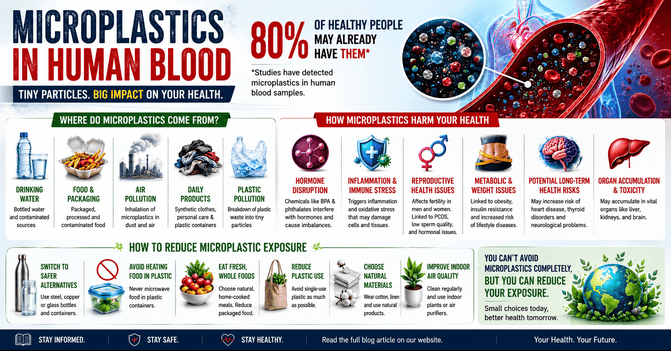
Microplastics in Human Blood: Health Risks, Hormones & Prevention
Plastic pollution is no longer just an environmental issue—it has become a human health concern. Recent studies suggest that microplastics have been detected in human blood, raising questions about long-term health effects.
In India, where plastic use in packaging, bottled water, and food delivery is rapidly increasing, this issue is even more relevant. Even healthy individuals may be exposed daily without realizing it.
What Are Microplastics?
Microplastics are tiny plastic particles smaller than 5 mm. Microplastics aren’t just an environmental issue—they often carry or release endocrine-disrupting chemicals (EDCs) like Bisphenol A and Phthalates. These can interfere with your body’s hormone system even at low exposure levels.
These particles are now found in:
- Drinking water
- Packaged food
- Air pollution
- Soil and crops
Because of their small size, they can easily enter the human body.
Microplastics in Human Blood: What Research Suggests
Emerging research has found traces of microplastics in human blood samples. This indicates that these particles can circulate through the body and potentially reach vital organs.
While scientists are still studying the long-term impact, early findings suggest possible links to inflammation, hormone disruption, and metabolic issues.
Why This Matters in India
India is one of the largest consumers of plastic products, especially:
- Packaged snacks and ready-to-eat foods
- Bottled drinking water
- Food delivery packaging
- Street food served in plastic containers
In urban cities like Ahmedabad, Mumbai, and Delhi, exposure levels may be higher due to pollution and lifestyle habits.
How Microplastics Enter the Body
1. Food and Drinking Water
- Bottled water may contain microplastic particles
- Packaged and processed foods increase exposure
2. Air Pollution
- Microplastics are present in dust and polluted air
- Inhalation is a major exposure route in Indian cities
3. Daily Lifestyle Products
- Plastic containers and utensils
- Synthetic clothing releasing microfibers
Health Effects of Microplastics
1. Hormonal Imbalance
Certain plastic chemicals like BPA and phthalates act as endocrine disruptors.
They may:
- Mimic hormones (especially estrogen)
- Block natural hormone signals
- Alter hormone production in glands like thyroid, ovaries, and testes
This is called endocrine disruption, and it can affect metabolism, fertility, mood, and more.
2. Inflammation and Immune Stress
Microplastics are foreign particles, and their presence may trigger:
- Chronic inflammation
- Oxidative stress
- Immune system response
3. Reproductive Health Issues
In Men

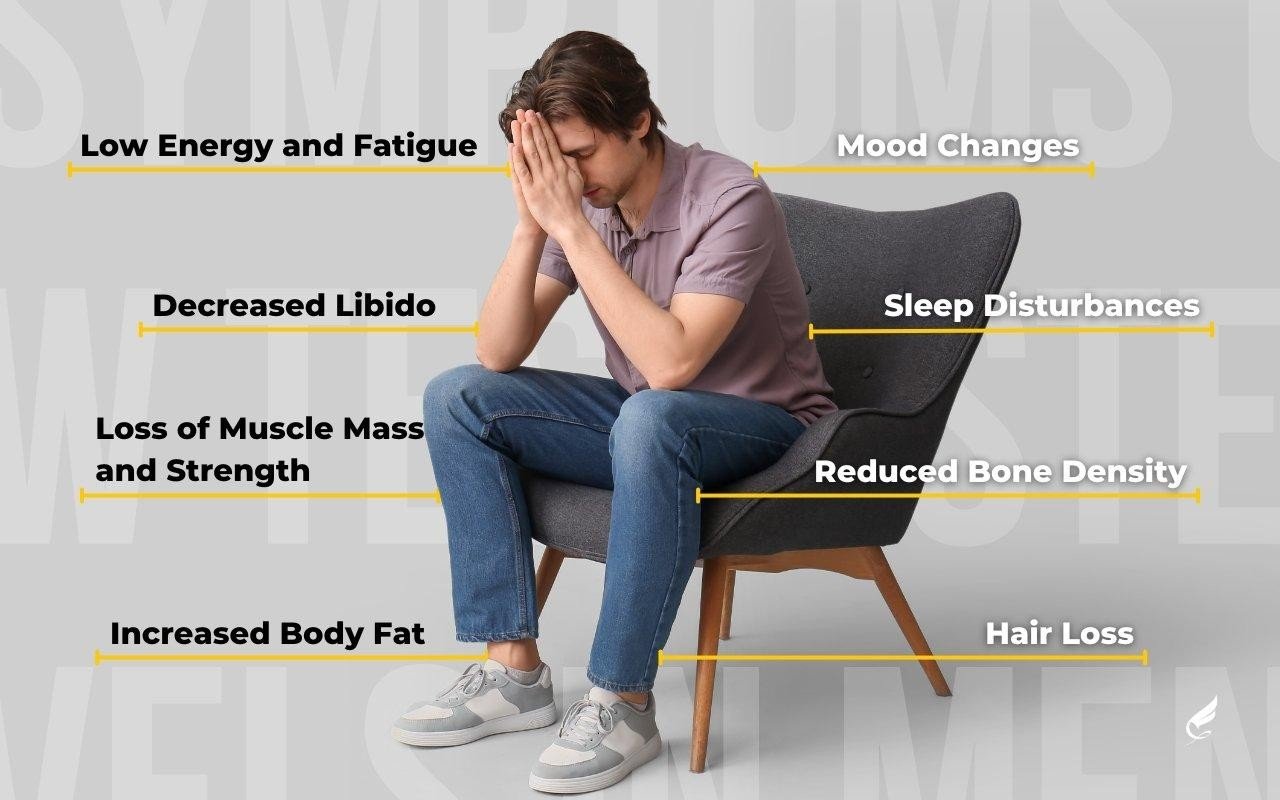
1. Lower Testosterone
- BPA can act like estrogen → reduces testosterone levels
- May lead to fatigue, low muscle mass, reduced libido
🧬 2. Poor Sperm Quality
- Reduced sperm count and motility
- Increased risk of infertility
⚖️ 3. Increased Fat Storage
- Hormone disruption can promote belly fat
- Linked to metabolic issues
😴 4. Mood & Energy Issues
- Hormonal imbalance may affect mood, focus, and sleep
In Women

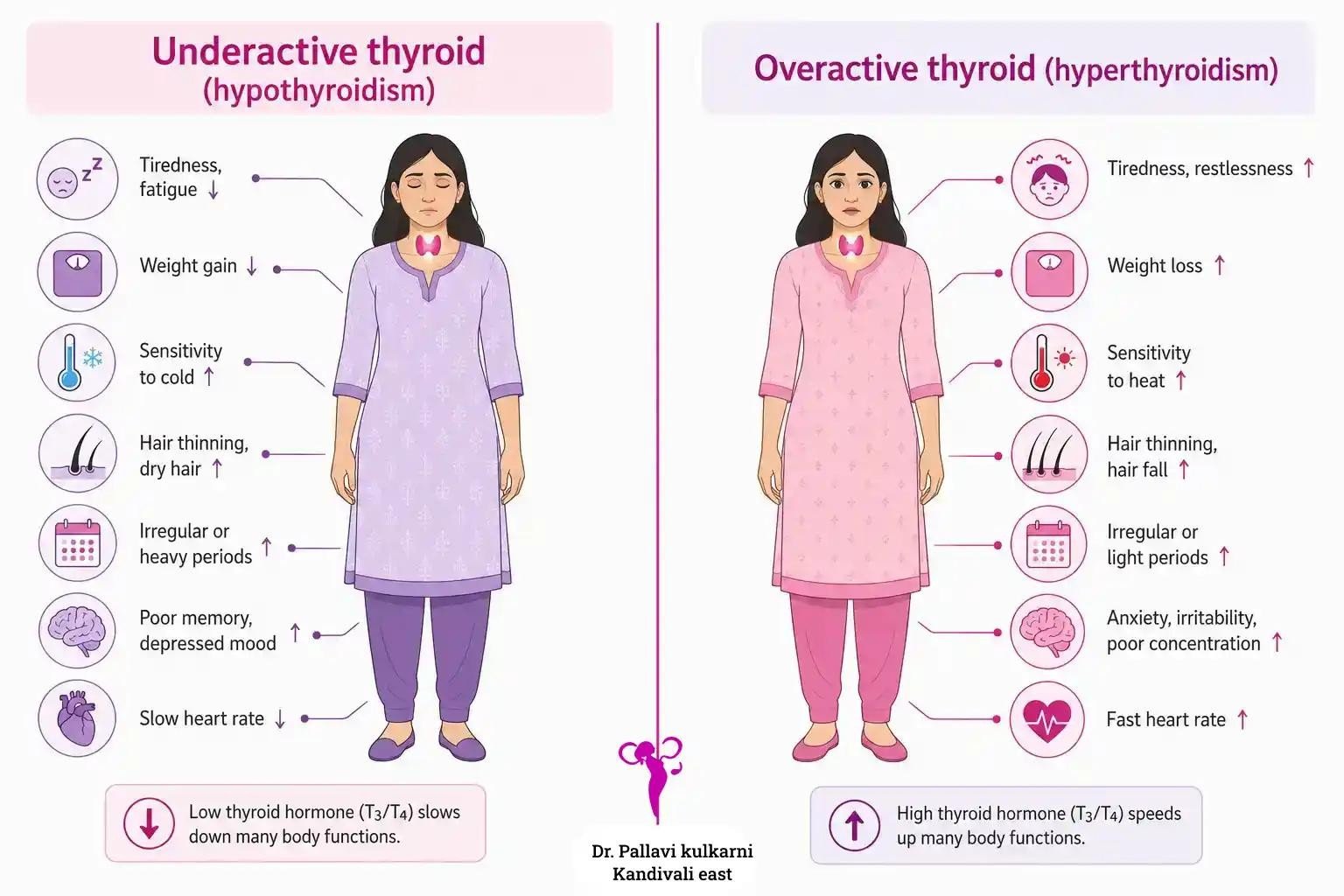
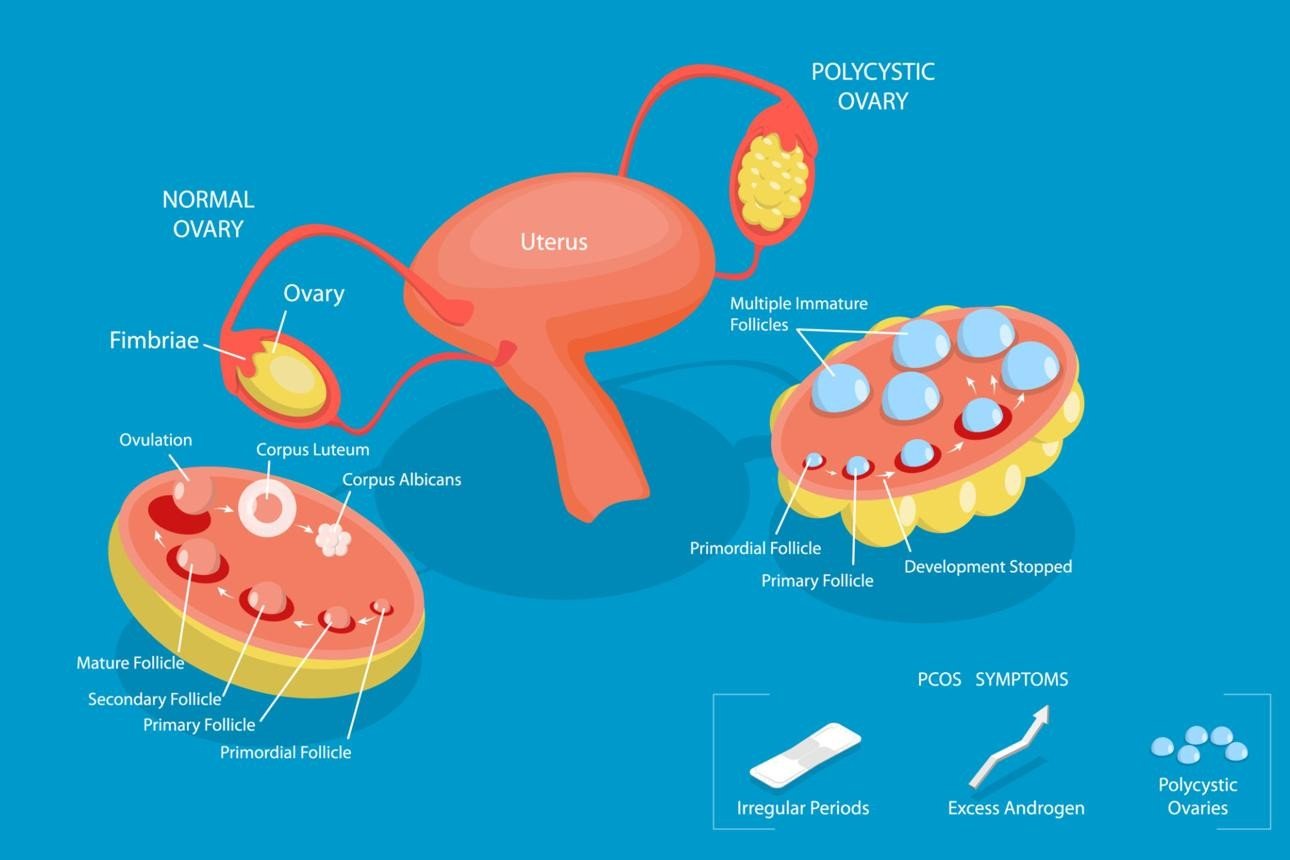
1. Estrogen Imbalance
- BPA mimics estrogen → can disturb natural cycle
- Leads to irregular periods, PMS issues
🩺 2. PCOS & Fertility Issues
- Linked with higher risk of conditions like Polycystic Ovary Syndrome
- May affect ovulation and conception
⚠️ 3. Thyroid Disruption
- Plastics can interfere with thyroid hormones
- Causes weight gain, fatigue, hair fall
🤰 4. Pregnancy Risks
- Exposure may affect fetal development
- Linked to low birth weight and developmental concerns
4. Metabolic and Weight Issues
Plastic-related chemicals may interfere with metabolism, potentially leading to:
- Weight gain
- Insulin resistance
- Increased risk of lifestyle diseases
5. Potential Long-Term Health Risks
Ongoing research is exploring links between microplastics and:
- Heart disease
- Thyroid disorders
- Neurological issues
How to Reduce Microplastic Exposure in India
✔️ Switch to Safer Alternatives
- Use steel or copper bottles (common in Indian households)
- Store food in glass containers
✔️ Avoid Heating Food in Plastic
- Do not microwave plastic containers
- Avoid hot chai or food in plastic cups
✔️ Eat Fresh, Local Food
- Reduce packaged snacks
- Prefer home-cooked meals
✔️ Improve Indoor Air Quality
- Regular dust cleaning
- Use indoor plants or air purifiers
✔️ Choose Better Daily Products
- Wear cotton instead of synthetic fabrics
- Use natural personal care products
Expert Tip for Indian Lifestyle
Simple changes like carrying your own water bottle, avoiding plastic-packed street food, and choosing traditional storage methods can significantly reduce exposure.
Conclusion
Microplastics in human blood highlight a growing health concern worldwide—and especially in India due to high plastic usage.
While complete avoidance may not be possible, awareness and small daily changes can help reduce exposure and protect long-term health.
FAQs
Q1. Are microplastics found in human blood?
Studies suggest that microplastics have been detected in human blood samples, but research is still ongoing.
Q2. How do microplastics affect hormones?
They may act as endocrine disruptors, interfering with normal hormone function.
Q3. Is bottled water safe in India?
Bottled water may contain microplastics; using filtered water and steel bottles is a better option.
Q4. How can Indians reduce microplastic exposure?
Avoid plastic containers, reduce packaged foods, and switch to traditional alternatives like steel and glass.