- Best Dietitian & Nutritionist in Ahmedabad | Reshapee Slimming Wellness Diet
- +91-72848 25055
- reshapeslimming.diet@gmail.com


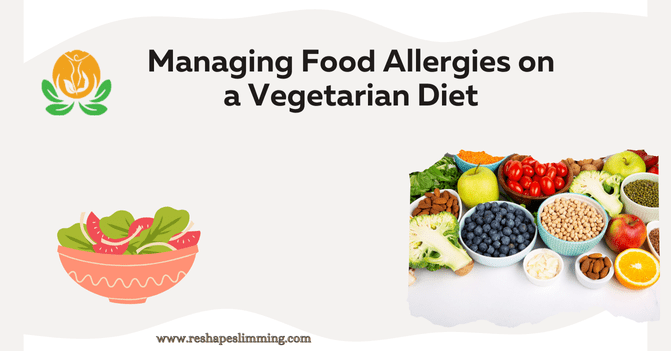
Managing Food Allergies on a Vegetarian Diet
A vegetarian diet is rich in nutrients and offers numerous
health benefits, but managing food allergies while adhering to this lifestyle
can be challenging. With proper planning and knowledge, it is possible to
maintain a balanced vegetarian diet that accommodates dietary restrictions
without compromising on nutrition or taste. This guide explores how to
effectively manage common food allergies on a vegetarian diet.
Understanding Food Allergies
Food allergies occur when the immune system mistakenly
identifies a specific food protein as harmful, triggering an allergic reaction.
Symptoms can range from mild (rashes, itching) to severe (anaphylaxis). Common
allergens include:
- Dairy
- Eggs
- Nuts
(e.g., peanuts, tree nuts) - Soy
- Wheat/Gluten
For vegetarians, these allergens can pose significant
challenges as many are staples in plant-based diets. Managing allergies
requires identifying safe alternatives and ensuring balanced nutrition.
1. Dairy Allergies
Dairy products are a common source of calcium, protein, and
vitamin D in vegetarian diets. For those with dairy allergies or lactose
intolerance, plant-based alternatives can provide similar nutrients.
Substitutes for Dairy Products:
- Milk:
Use almond, soy, oat, or coconut milk fortified with calcium and vitamin
D. - Cheese:
Try dairy-free cheese made from cashews, almonds, or coconut oil. - Yogurt:
Opt for plant-based yogurts (e.g., soy, coconut, or almond yogurt). - Butter:
Replace with plant-based spreads or oils like coconut oil or olive oil.
Tips for a Balanced Diet:
- Incorporate
non-dairy calcium-rich foods such as leafy greens (kale, bok choy), tofu,
almonds, and fortified plant-based drinks. - Ensure
adequate vitamin D intake through fortified foods or supplements,
especially in regions with limited sunlight.
2. Egg Allergies
Eggs are often used as a source of protein and as a binding
agent in recipes. Avoiding eggs doesn’t mean sacrificing texture or flavor in
vegetarian dishes.
Substitutes for Eggs in Cooking and Baking:
- For
Binding: Use flaxseed meal or chia seeds mixed with water (1
tablespoon seeds + 3 tablespoons water = 1 egg). - For
Leavening: Use baking powder, vinegar, and plant-based milk. - For
Moisture: Replace with mashed bananas, applesauce, or pureed pumpkin.
High-Protein Alternatives:
- Legumes
(lentils, chickpeas, black beans) - Tofu
and tempeh - Edamame
and green peas
3. Nut Allergies
Nuts are a convenient and nutrient-dense snack, but they are
also one of the most common allergens. For vegetarians, avoiding nuts requires
exploring alternative sources of healthy fats, protein, and minerals.
Safe Alternatives to Nuts:
- Seeds:
Sunflower seeds, pumpkin seeds, flaxseeds, and chia seeds are excellent
replacements. - Nut-Free
Butters: Use sunflower seed butter or tahini instead of almond or
peanut butter.
Ensuring Adequate Nutrition:
- Include
seeds in salads, smoothies, and baked goods for added nutrients. - Choose
nut-free energy bars or make homemade versions with seeds and dried
fruits.
4. Soy Allergies
Soy is a staple in many vegetarian diets due to its
versatility and high protein content. Avoiding soy requires extra effort to
find suitable replacements, especially for protein.
Soy-Free Protein Options:
- Legumes:
Lentils, chickpeas, and black beans - Quinoa
and amaranth - Hemp
seeds and sunflower seeds - Dairy
or plant-based milk alternatives (e.g., almond, oat, or rice milk)
Tips for Balanced Meals:
- Experiment
with lentil-based pastas or chickpea flour for protein-rich, soy-free
alternatives. - Consider
pea protein powders or blends for smoothies and shakes.
5. Wheat/Gluten Allergies
For those with celiac disease or gluten sensitivity,
avoiding wheat can complicate a vegetarian diet that often includes bread,
pasta, and seitan. However, there are many gluten-free options available today.
Gluten-Free Grains and Flours:
- Grains:
Quinoa, rice, millet, buckwheat, and sorghum - Flours:
Almond flour, coconut flour, chickpea flour, and rice flour
Gluten-Free Alternatives:
- Replace
traditional pasta with rice noodles, zucchini noodles, or gluten-free
pasta. - Opt
for gluten-free bread and crackers made from alternative flours.
Maintaining Nutritional Balance:
- Pay
attention to fiber intake by including plenty of fruits, vegetables, and
legumes. - Check
for hidden gluten in processed foods, sauces, and dressings.
General Tips for Managing Food Allergies on a Vegetarian
Diet
1. Read Labels Carefully
- Always
check ingredient lists for hidden allergens. - Look
for allergen-free certifications on packaged foods.
2. Plan Meals in Advance
- Create
a weekly meal plan that includes a variety of safe foods. - Batch-cook
allergen-free meals to save time and reduce stress.
3. Consult a Dietitian
- Seek
advice from a registered dietitian to ensure your diet meets all
nutritional needs. - Discuss
supplementation for nutrients like vitamin B12, omega-3s, and iron if
needed.
4. Cook at Home
- Preparing
meals at home gives you complete control over ingredients. - Experiment
with allergen-free recipes to expand your culinary skills.
5. Carry Allergy-Friendly Snacks
- Keep
safe, high-energy snacks on hand, such as dried fruits, seed-based energy
bars, or gluten-free crackers.
Sample One-Day Allergen-Free Vegetarian Meal Plan
Breakfast
- Chia
pudding made with almond milk and topped with fresh berries and pumpkin
seeds
Lunch
- Quinoa
salad with roasted vegetables, chickpeas, and a lemon-tahini dressing
Snack
- Apple
slices with sunflower seed butter
Dinner
- Lentil
and vegetable curry served over rice
Dessert
- Coconut
milk yogurt with a drizzle of maple syrup and sliced bananas
Overcoming Challenges
Dining Out
- Research
allergen-friendly restaurants in advance. - Communicate
your dietary needs clearly to the staff.
Social Events
- Bring
a dish to share that meets your dietary restrictions. - Eat
a small meal beforehand to avoid relying solely on available options.
Budget Constraints
- Buy
allergen-free staples in bulk. - Focus
on affordable whole foods like rice, lentils, and seasonal produce.
Conclusion
Managing food allergies on a vegetarian diet requires
vigilance, creativity, and planning, but it’s entirely achievable. By
identifying safe alternatives, ensuring balanced nutrition, and staying
proactive, you can enjoy a varied and satisfying vegetarian lifestyle while
avoiding allergens. With the growing availability of allergen-free products and
resources, embracing a vegetarian diet that meets your unique needs has never
been easier.
- Filter by
- Categories
- Tags
- Authors
- Show all
- All
- activity
- aging
- ahmedabad
- apple
- apple smoothie
- apples
- applesmoothie
- article
- avocado
- avocado
- avocado&hummuswrap
- avocadowrap
- ayurved
- ayurveda
- baking
- balancelife
- banana
- bananabreakfast
- beetroot
- BEETROOT SOUP
- befit
- beginners
- bellpeppers
- benefits
- benefitsofremedies
- best
- Best Dietician In Ahmedabad
- best dietician in ahmedabad for weight loss
- best dietician in chandigarh
- best dietician in indore
- best dietician in pune
- best dietician in vadodara
- best dietitian and nutritionist in ahmedabad
- best dietitian in ahmedabad
- best dietitian in ahmedabad for weight loss
- Best online dietician in Ahmedabad
- best pcod diet
- beyoga
- blackbeans
- blackbeansalad
- blackbeanssoup
- bloodpressure
- boosterdrinks
- breakfast
- breakfastrecipe
- busyprofession
- cauliflower
- cauliflowerpizza
- CHIA SEEDS/SABJA SEEDS WEIGHT LOSS DRINK
- chiaseeds
- clearskin
- comfort
- cooking
- cranberry
- cuminseeds
- CURRY
- dahi
- dates
- dehydration
- diabetes
- DIET
- dietarticle
- dietician
- dieticianinahmedabad
- dieticiansurat
- dieting
- dietition
- dietplan
- dietrecipe
- dietrecipes
- diettips
- digestive
- discipline
- dragonfruit
- drink
- drinking
- Drinks
- drinkwater
- dryfruits
- dubai
- eating
- eating-well-during-festival-season-a-guide-to-a-healthy-joyful-diet
- eatinghealthy
- emotional
- energy
- Energy Drink Risks
- Energy Drink Side Effects
- Energy Drinks
- exercise
- eyes
- fats
- fiber
- fiction
- fig
- figbenefits
- fish
- fit
- fitness
- food
- foodarticle
- foodmyths
- fruit
- fruits
- ginger
- glutenfree
- grilling
- habits
- habitsforprofession
- hair
- health
- Health Awareness
- healtharticle
- healthbenefits
- healthier
- healthy
- Healthy Drinks
- Healthy Lifestyle
- healthy smoothie
- healthycooking
- healthydiet
- healthyfood
- healthylife
- healthylifestyle
- healthynoodles
- healthyrecipe
- healthyrecipes
- healthyremedies
- healthyrestaurants
- healthyskin
- healthysmoothie
- healthysnacks
- healthywrap
- help
- herbal
- herbaltea
- hormones
- how to boost immunity
- how to enhance immunity
- howtolive
- howtomaintaindiet
- hummus
- hummuswrap
- hunger
- hungry
- hydrate
- hydrated
- hydration
- immunity
- improvelife
- india
- indianrecipe
- iron rich foods
- jkrowling
- juices
- juices for weight loss
- kidneyhealth
- LENTIL SOUP
- life
- lifestyle
- liver
- liverhealth
- macronutrients
- management
- manageyourlife
- mantra
- meal
- mealprepper
- meditation
- mentalhealth
- mind
- myths
- neelamdhanagar
- niche
- noodles
- nutrients
- nutririon
- nutrition
- nutritionfacts
- nutritionist
- nutritiontrends
- omega3
- pasta
- PCOD
- PCOD DIET
- PCOS
- pesto
- physical
- physicalactivity
- physiological
- pizza
- pizzarecipe
- plantbased
- plums
- popular
- pregnancy
- preparemeal
- productivity
- profession
- PROSO MILLET IDLI
- protein
- PROTIEN SMOOTHIE
- PUMPKIN SOUP
- qualitysleep
- quinoa
- RAGI DOSA
- recipe
- recipes
- reducestress
- remedies
- reshape
- restaurants
- salad
- science
- scienceofhunger
- scientific
- selfcare
- slimming
- smoothie
- smoothierecipe
- SOUP
- souprecipe
- soyabean
- spinach
- SPINACH SOUP
- steaming
- STIR FRY TOFU / PANEER VEGETARIAN WEIGHT LOSS DIET RECIPES
- stress
- stress relieving food
- stretching
- successful
- sugar
- sugarcane
- sugarcanejuice
- sugarintake
- supplements
- surat
- SWAMINARAYAN KHICHDI
- tags
- tangerine
- tangerinebenefits
- tastyfood
- timemanagement
- tips
- tofu
- tonedbody
- top 10 dietician in mumbai
- top 10 dietician in vadodara
- Top 10 dietitian in ahmedabad
- top 10 dietitians in ahmedabad
- trends
- typesofyoga
- udon
- urine
- veg
- vegan
- veganfacts
- veganism
- veganlifestyle
- veganmyths
- veganrecipe
- veganrecipes
- veganwrap
- vegetarian
- Vegetarian meat substitute
- VEGETARIAN WEIGHT LOSS DIET RECIPES
- vegetarianrecipe
- vegetarianrecipes
- vegetarianweightloss
- vegetarianweightlossrecipe
- vegetarianwrap
- veggie
- veggies
- veggiewrap
- vision
- vitamin
- warmup
- water
- webstory
- weight
- weight lose in diabetes
- weight loss
- WEIGHT LOSS BOOSTER DRINKS
- WEIGHT LOSS BOOSTER RAJMA CURRY
- WEIGHT LOSS TADKA DAL| DAL
- weight loss tips
- weightloss
- weightlossdiet
- weightlossrecipe
- weightlosss
- weightlosssmoothie
- wellness
- wellnesshabits
- why feel bloated
- work
- worklife
- workout
- workoutforbeginners
- wrap
- wraprecipe
- yoga
- yogaforbeginners
- yoghurt
- zucchini
- zucchininoodles