Why You're Not Losing Belly Fat: 10 Reasons That Matter

Belly fat is often the most stubborn type of body fat to lose. Many people eat healthy, exercise regularly, and still wonder why their waistline doesn’t seem to change. The truth is that losing belly fat requires more than just doing crunches or following the latest diet trend.

If you’re struggling to reduce belly fat despite your efforts, understanding the real reasons behind it can help you make smarter lifestyle changes.

What Is Belly Fat?

Belly fat isn’t just the fat you can pinch around your waist. There are two main types:

  • Subcutaneous fat: The fat stored just beneath the skin.
  • Visceral fat: Fat that surrounds internal organs. Excess visceral fat is linked to a higher risk of type 2 diabetes, heart disease, fatty liver disease, and metabolic syndrome.

Reducing overall body fat through healthy habits is the most effective way to decrease belly fat.


1. You’re Eating More Calories Than You Think

Even healthy foods can contribute to excess calorie intake if portions are too large.

Common hidden calorie sources include:

  • Sugary beverages
  • Fruit juices
  • Packaged snacks
  • Restaurant meals
  • Excessive nuts and dried fruits
  • Frequent “healthy” desserts

What to Do

  • Monitor portion sizes.
  • Read nutrition labels.
  • Choose whole foods most of the time.
  • Keep a food diary for a few weeks.

2. You’re Not Getting Enough Protein

Protein helps:

  • Increase fullness
  • Preserve muscle mass
  • Support metabolism
  • Reduce unnecessary snacking

Many adults consume less protein than they actually need.

Good Protein Sources

  • Lentils
  • Chickpeas
  • Rajma
  • Soy products
  • Paneer
  • Greek yogurt
  • Eggs (if consumed)
  • Fish and lean chicken (for non-vegetarians)

Aim to include a quality protein source with every meal.


3. Your Exercise Routine Needs Improvement

Doing the same workout every day can reduce progress over time.

For better fat reduction:

  • Strength training 2–4 times weekly
  • Brisk walking
  • Cycling
  • Swimming
  • Interval training (when appropriate)

Building muscle increases calorie expenditure and improves body composition.


4. You’re Sleeping Too Little

Poor sleep affects hormones that regulate hunger and appetite.

People sleeping fewer than 7 hours regularly may:

  • Feel hungrier
  • Crave sugary foods
  • Have lower energy for exercise

Healthy Goal

Aim for 7–9 hours of quality sleep every night.


5. Stress Is Working Against You

Chronic stress increases cortisol, a hormone associated with increased appetite and abdominal fat accumulation.

Signs of chronic stress include:

  • Emotional eating
  • Constant fatigue
  • Poor sleep
  • Sugar cravings

Stress Management Tips

  • Meditation
  • Deep breathing
  • Yoga
  • Walking outdoors
  • Spending time with family and friends

6. You’re Drinking Too Much Sugar

Sugary beverages provide calories without making you feel full.

Examples:

  • Soft drinks
  • Sweetened tea and coffee
  • Energy drinks
  • Packaged fruit juices
  • Milkshakes

Replacing sugary drinks with water, buttermilk (unsweetened), lemon water, or plain tea can significantly reduce calorie intake.


7. You’re Relying on Spot Reduction

One of the biggest myths is that doing hundreds of abdominal exercises burns belly fat.

The truth:

  • Crunches strengthen abdominal muscles.
  • They do not specifically burn fat from the stomach.

Overall fat loss comes from a combination of healthy eating, regular physical activity, and sustainable habits.


8. You’re Ignoring Strength Training

Many people focus only on cardio.

Strength training:

  • Helps maintain muscle during weight loss
  • Supports metabolism
  • Improves body composition
  • Makes long-term fat management easier

Include exercises such as:

  • Squats
  • Lunges
  • Push-ups
  • Resistance bands
  • Weight training

9. Hormonal or Medical Conditions May Be Affecting You

Sometimes belly fat persists because of underlying health conditions.

These may include:

  • Polycystic Ovary Syndrome (PCOS)
  • Thyroid disorders
  • Insulin resistance
  • Menopause-related hormonal changes
  • Certain medications

If you notice unexplained weight changes or persistent difficulty despite healthy habits, consult a qualified healthcare professional for evaluation.


10. You’re Expecting Results Too Quickly

Healthy fat reduction takes time.

Rapid diets often lead to:

  • Muscle loss
  • Nutrient deficiencies
  • Fat regain

Focus on consistent habits instead of quick fixes.

Small improvements repeated every day usually produce better long-term results than extreme diets.


Foods That Support Belly Fat Reduction

A balanced eating pattern may include:

High-Fiber Foods

  • Oats
  • Whole grains
  • Fruits
  • Vegetables
  • Beans

Protein-Rich Foods

  • Lentils
  • Paneer
  • Tofu
  • Greek yogurt
  • Eggs
  • Fish

Healthy Fats

  • Nuts
  • Seeds
  • Avocado
  • Olive oil

Hydrating Drinks

  • Water
  • Coconut water (unsweetened)
  • Lemon water
  • Herbal tea

Lifestyle Habits That Help

  • Walk after meals.
  • Eat slowly.
  • Limit ultra-processed foods.
  • Avoid frequent late-night overeating.
  • Stay physically active throughout the day.
  • Manage stress consistently.
  • Sleep well every night.

Common Belly Fat Myths

Myth 1: Lemon water melts belly fat.

Fact: Lemon water supports hydration but does not directly burn fat.

Myth 2: Fat-burning supplements work quickly.

Fact: Most supplements provide little benefit without healthy eating and exercise.

Myth 3: Carbohydrates should be completely avoided.

Fact: Whole grains, fruits, and legumes can be part of a healthy eating pattern.

Myth 4: Detox diets remove belly fat.


FAQ

Why am I losing weight but not belly fat?

Belly fat is often the last area where noticeable fat loss occurs. Factors such as genetics, hormones, stress, sleep, and body composition all influence how quickly abdominal fat decreases.


What foods help reduce belly fat?

A balanced diet rich in vegetables, fruits, whole grains, legumes, lean proteins, and healthy fats can support overall fat loss when combined with regular physical activity.


Can stress prevent belly fat loss?

Yes. Chronic stress may increase cortisol levels, which can influence appetite, eating habits, and abdominal fat storage in some individuals.


Is walking good for belly fat?

Regular brisk walking, combined with healthy eating and strength training, can help reduce overall body fat, including abdominal fat.


Why does belly fat increase with age?

Age-related changes in hormones, muscle mass, metabolism, and physical activity levels can contribute to increased abdominal fat.

Fact: The liver and kidneys naturally detoxify the body. Sustainable lifestyle habits are more effective than detox diets.


 If you’re struggling to lose stubborn belly fat despite making lifestyle changes, consulting a professional can help. Our Best Dietician in Ahmedabad provides personalized nutrition plans based on your health goals, lifestyle, and medical conditions.

July 22, 2026
Why you're not losing belly fat despite healthy eating and exercise

Why You’re Not Losing Belly Fat: 10 Common Reasons

Why You’re Not Losing Belly Fat: 10 Reasons That Matter Belly fat is often the most stubborn type of body fat to lose. Many people eat […]
July 11, 2026

Why Crash Diet Fails

July 7, 2026
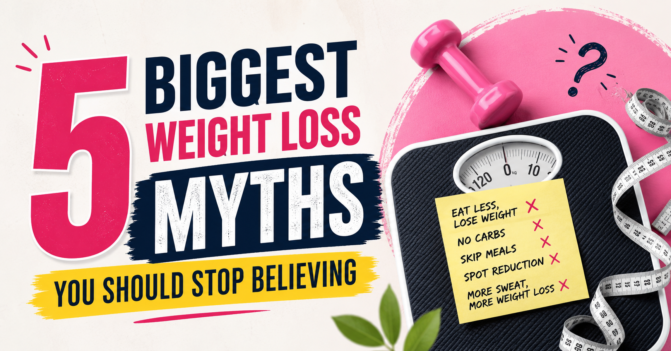
5 Biggest Weight Loss Myths

5 Biggest Weight Loss Myths You Should Stop Believing

5 Biggest Weight Loss Myths You Should Stop Believing When it comes to weight loss, there is no shortage of advice on social media, television, and […]
June 19, 2026
Microplastics in Human Blood

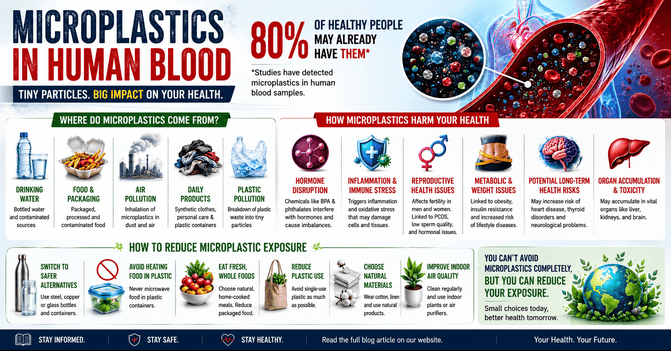
Microplastics in Human Blood: Health Risks, Hormones & Prevention

Microplastics in Human Blood: Health Risks, Hormones & Prevention Plastic pollution is no longer just an environmental issue—it has become a human health concern. Recent studies […]
June 10, 2026
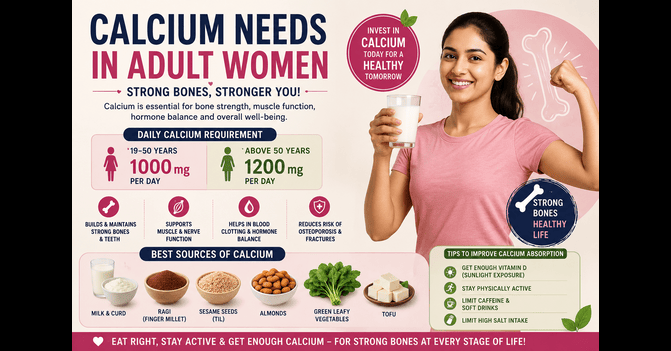
Calcium needs in adult daily requirements, benefits, and calcium-rich foods like milk, ragi, sesame seeds, almonds, green leafy vegetables, and tofu.

Calcium Needs in Adult Women: Daily Requirement & Best Sources

Calcium Needs in Adult Women: Daily Requirement & Best Sources Calcium is one of the most essential minerals for the human body, especially for women in […]
May 27, 2026
How Junk Food Affects Digestion and Protein Absorption

How Junk Food Affects Digestion and Protein Absorption

How Junk Food Affects Digestion and Protein Absorption In today’s fast-paced lifestyle, junk food has become a regular part of many diets. While it may be […]
May 20, 2026
zinc with icons for immunity, brain function, skin health, and zinc-rich vegetarian foods like seeds, nuts, and lentils

7 Benefits of Zinc: Why This Essential Mineral Matters for Your Health

7 Benefits of Zinc: Why This Essential Mineral Matters for Your Health Zinc is a vital trace mineral that plays a powerful role in keeping your […]
May 18, 2026
magnesium benefits for body

Why Magnesium Is Essential for Your Body: Benefits, Sources & Deficiency Signs

Magnesium Benefits for Body: Complete Health Guide Why Magnesium Is Essential for Your Body Magnesium is a vital mineral required for maintaining overall health and proper […]
May 16, 2026

Daily Calcium Requirement by Age | Benefits & Sources of Calcium

Call Now